
Views: 0 Author: Site Editor Publish Time: 2026-06-30 Origin: Site
Agricultural professionals, investors, and procurement teams frequently seek fresh yields during the early months of the year. Attempting to source new crops in this window demands a precise understanding of global agricultural timelines. Across the Northern Hemisphere, spring represents the blooming and pollination phase for tree nuts rather than a harvest period. This biological reality creates a notable supply gap. Buyers must carefully differentiate between aging domestic inventory and new international crops to maintain product quality. We will explore how to successfully procure high-quality Spring Nuts by leveraging Southern Hemisphere supply chains. You will learn a robust framework for evaluating fresh imports and auditing cold-storage quality. Finally, we provide actionable guidance on preparing agricultural harvesting equipment for upcoming domestic yields.
Procurement teams constantly face a severe supply deficit during the second quarter. Local agricultural belts yield nothing fresh during this time. Understanding biological timelines prevents you from falling for misleading supplier claims. We see this scenario often in the industry. Buyers purchase supposedly fresh crops in April. They incorrectly assume local origins. Lack of agricultural knowledge leads to poor purchasing decisions. You must recognize seasonal limitations to protect your supply chain.
Major commercial staples include almonds, pecans, walnuts, and hazelnuts. These trees undergo pollination during the spring months. Regional climates in California and the Mediterranean support blossoming right now. Winter chill hours break the trees out of dormancy. Rising temperatures encourage buds to swell and open. Bees and other pollinators begin their vital work. It takes several months for the actual kernels to mature. Therefore, these regions cannot biologically produce a harvestable crop this early. Local spring yields simply do not exist.
You must look across the equator for immediate solutions. Introduce the geographic flip to your sourcing strategy. March through May triggers peak autumn south of the equator. Major agricultural hubs in South America and Oceania ramp up harvesting operations. Mediterranean climates in Chile and Australia mirror California perfectly. The six-month seasonal difference creates a reliable pipeline for fresh goods. This geographic advantage solves the early-year supply gap.
Buyers must remain highly skeptical. Domestic suppliers might claim to offer freshly harvested crops in May. Demand explicit proof of international origins. Honest vendors provide clear documentation detailing the source country. Watch out for vague language on packaging. Terms like "packed fresh" do not mean "harvested fresh." Always trace the origin certificate. Verifying the geographic source protects your brand integrity.
You must identify which specific crops offer genuine fresh procurement options. Northern Hemisphere buyers rely heavily on specific Southern Hemisphere exports. Focusing on the right crops streamlines your purchasing strategy. We evaluate three primary commodities below.
The harvest window spans from March to August. Australia and South Africa dominate this global market. You must evaluate kernel recovery rates carefully. Examine shell integrity closely during quality checks. Ethical sourcing certifications add significant supply chain trust. Processing these crops requires specialized cracking equipment. Ensure your suppliers utilize modern extraction methods. This reduces kernel damage and improves overall yield.
The Chilean harvest hits between March and May. Color grading matters immensely for this commodity. Lighter halves generally indicate superior handling and immediate drying. They also carry less tannin, resulting in a sweeter taste. Monitor moisture levels strictly upon arrival. Consider import tariffs before signing any binding contracts. Chilean agricultural exports maintain stellar global reputations. Strict quality controls make them highly desirable.
This harvest occurs in late spring, usually peaking in May or June. Track meat yield percentages rigorously. Measure oil content carefully to ensure optimal flavor. Verify cold-chain stability during maritime transit. The journey from Cape Town or Buenos Aires takes weeks. Any temperature fluctuation damages the delicate oils. Reliable shipping partners are absolutely essential.
| Crop Type | Primary Origins | Harvest Window | Key Evaluation Criteria |
|---|---|---|---|
| Macadamias | Australia, South Africa | March – August | Kernel recovery, shell integrity, ethical certs |
| Walnuts | Chile | March – May | Color grading, moisture levels, tariff impacts |
| Pecans | South Africa, Argentina | May – June | Meat yield, oil content, transit cold-chain |
Deciding between fresh imports and stored domestic inventory requires a careful framework. You must balance logistics against biological realities. We provide clear evaluation dimensions to simplify this complex choice.
Auditing domestic cold storage demands extreme precision. Ideal storage parameters mandate temperatures between 32°F and 38°F (0°C to 3°C). Relative humidity must stay around 55-65%. Too much moisture invites mold and dangerous aflatoxins. Too little moisture turns kernels brittle and dusty. Variations cause rapid degradation.
You must test for chemical breakdown aggressively. Request Peroxide Value (PV) tests from every supplier. Ask for Free Fatty Acid (FFA) tests simultaneously. PV measures primary oxidation or initial rancidity. FFA measures hydrolytic rancidity and triglyceride breakdown. These metrics verify oil stability accurately. They effectively prevent rancidity before distribution.
Assessing fresh import logistics involves deep risk analysis. Port delays happen frequently in global trade. Maritime container climate control occasionally fails during transit. Extended transit times destroy the freshness advantage completely. You must evaluate the cost-to-outcome ratio. Does shipping fresh Southern Hemisphere crops justify the return on investment? Premium retail product lines might justify the leap. Processed baking ingredients rarely do.
| Strategy | Primary Advantage | Primary Risk Factor | Quality Verification Method |
|---|---|---|---|
| Domestic Cold Storage | Immediate availability, lower transport risk | Lipid oxidation (rancidity) over time | PV and FFA laboratory testing |
| Fresh Import | Peak biological freshness, new crop appeal | Port delays, maritime temperature spikes | Phytosanitary checks, moisture tests |
Spring marks the critical decision stage for future yields. Commercial growers and agricultural investors must prepare for the fall harvest now. Delaying these decisions leads to severe operational bottlenecks later. Proactive planning ensures smooth collection cycles.
Evaluate your equipment needs as early as possible. Assess total farm acreage carefully. Review terrain challenges like slopes or uneven soil. Analyze yield projections accurately to gauge volume. You must choose between manual sweepers, walk-behind harvesters, or PTO-driven tractor attachments. Walk-behind models suit smaller, flat orchards well. Commercial operations require heavy PTO shakers.
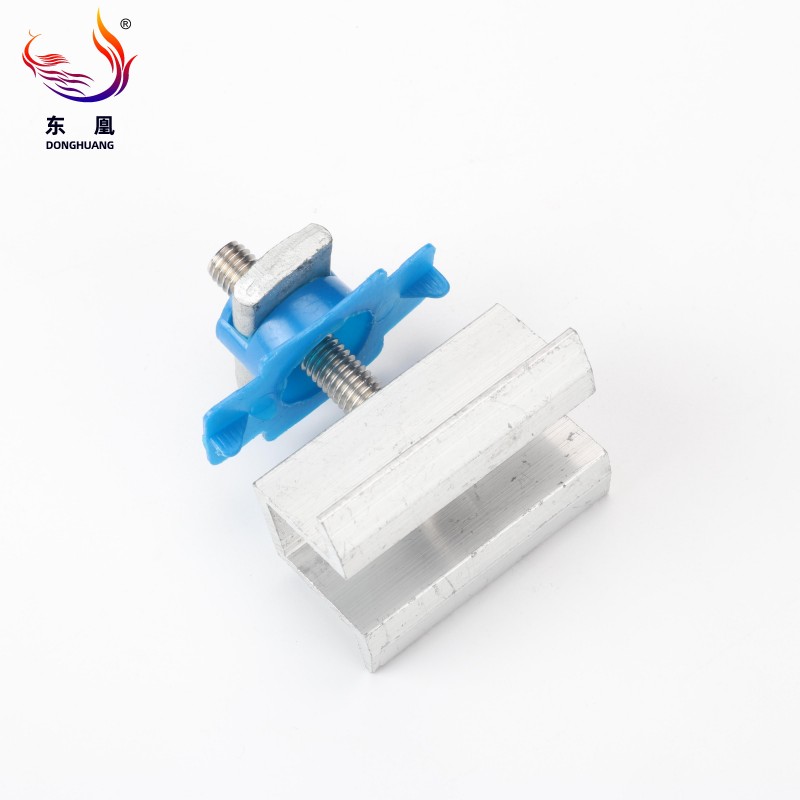
Machinery maintenance is equally crucial for operational success. Agricultural shakers undergo immense vibration during operation. Utilizing reliable fasteners ensures continuous and safe functionality. Integrating durable Spring Nuts into the strut channels of your harvesting rigs guarantees structural integrity. Heavy machinery requires specialized framing support. Choosing the right hardware prevents catastrophic mid-harvest breakdowns.
Scalability dictates long-term success. Upgrading collection equipment now prevents future labor shortages. Manual collection requires massive seasonal workforces. Modern machinery reduces reliance on unpredictable labor pools. Upgraded equipment also reduces crop loss significantly. Moisture and ground pests ruin uncollected yields quickly. Faster mechanical sweeping protects your profit margins.
Vendor shortlisting requires strict, deadline-driven logic. Finalize major equipment purchases during the second quarter. Avoid predictable late-summer supply chain backlogs. Early procurement provides several vital advantages.
Manage your financial risks aggressively during the off-season. Legal risks also multiply when sourcing internationally. Sourcing from multiple continents demands robust logistical frameworks. You must build secure pipelines to maintain continuous retail supply.
Analyze market trends carefully during the early months. The lack of domestic harvest naturally limits supply. This scarcity drives up spot-market rates significantly. Relying on spot purchases in May invites severe margin compression. Forward contracting mitigates this off-season volatility effectively. Locking in volumes early stabilizes your supply chain. It provides predictability for your quarterly financial projections.
Navigating regulatory compliance remains absolutely non-negotiable. You must review FDA FSMA (Food Safety Modernization Act) requirements thoroughly. The Foreign Supplier Verification Program (FSVP) demands strict adherence. Importers must verify that foreign suppliers utilize safe handling processes. Imported agricultural goods face intense port scrutiny. Ensure foreign partners meet domestic phytosanitary standards precisely. Missing documents cause catastrophic port rejections. Phytosanitary certificates prove the shipment remains free of invasive pests.
Execute next-step actions immediately to secure your supply. Request sample batches from potential international partners today. Verify third-party quality audits independently. Do not skip laboratory testing for cold-storage goods. Calculate total landed costs accurately, factoring in maritime freight. Finalize these steps before signing any procurement contracts. Proper diligence ensures high-quality inventory.
Successful procurement in the early months demands strategic flexibility. You must choose between international fresh harvests or strictly vetted domestic cold-storage inventory. Each path carries unique logistical challenges. Securing peak quality requires understanding both biological timelines and maritime transit risks.
Data-backed supplier evaluation remains your strongest defense. Insist on rigorous PV and FFA testing for any stored inventory. Prepare your operational assets early. Upgrading harvesting machinery and securing reliable framing hardware prevents costly autumn delays.
Take immediate action to protect your supply chain. Audit your current warehouse inventory quality today. Request updated specification sheets from your global suppliers. Finally, lock in your agricultural equipment orders well ahead of the fall rush to guarantee seamless field operations.
A: No commercial tree nuts are harvested in the US during spring. It is strictly their blooming and pollination season. The biological cycle requires several more months of summer heat for the kernels to mature and drop.
A: Focus on asking suppliers for exact harvest dates and origin countries. Fresh spring crops must come from the Southern Hemisphere. For domestic goods, demand recent chemical rancidity test results (PV and FFA) to verify storage quality.
A: Freight costs for maritime imports usually make international fresh crops more expensive than domestic stored inventory. However, strict quality requirements and the specific end-use of the product dictate the final procurement choice.
A: Growers should order equipment in the spring. This operational necessity ensures timely delivery, assembly, and testing. It prevents supply chain backlogs and guarantees machinery is calibrated before the late-summer or fall harvest begins.

