
Views: 0 Author: Site Editor Publish Time: 2025-12-10 Origin: Site
You can see important differences between chipboard screws and wood screws. Chipboard screws are made for engineered wood. Wood screws are better for natural wood. Using the right screw stops wood from splitting. It also keeps joints tight and connections strong. Knowing these differences helps you pick the best screw. This is true if you build furniture or fix cabinets.
Chipboard screws work well with engineered wood like MDF and particle board. They hold tight and do not split the wood.
Wood screws are good for solid wood jobs. Their shape pulls wood pieces together. This makes the joints strong.
Pick the right screw for your material. This helps your project last longer and look better.
Drill pilot holes in hardwoods before using screws. This stops the wood from splitting. It also makes screwing easier.
Think about the screw's coating for outdoor use. Screws that resist rust last longer in bad weather.
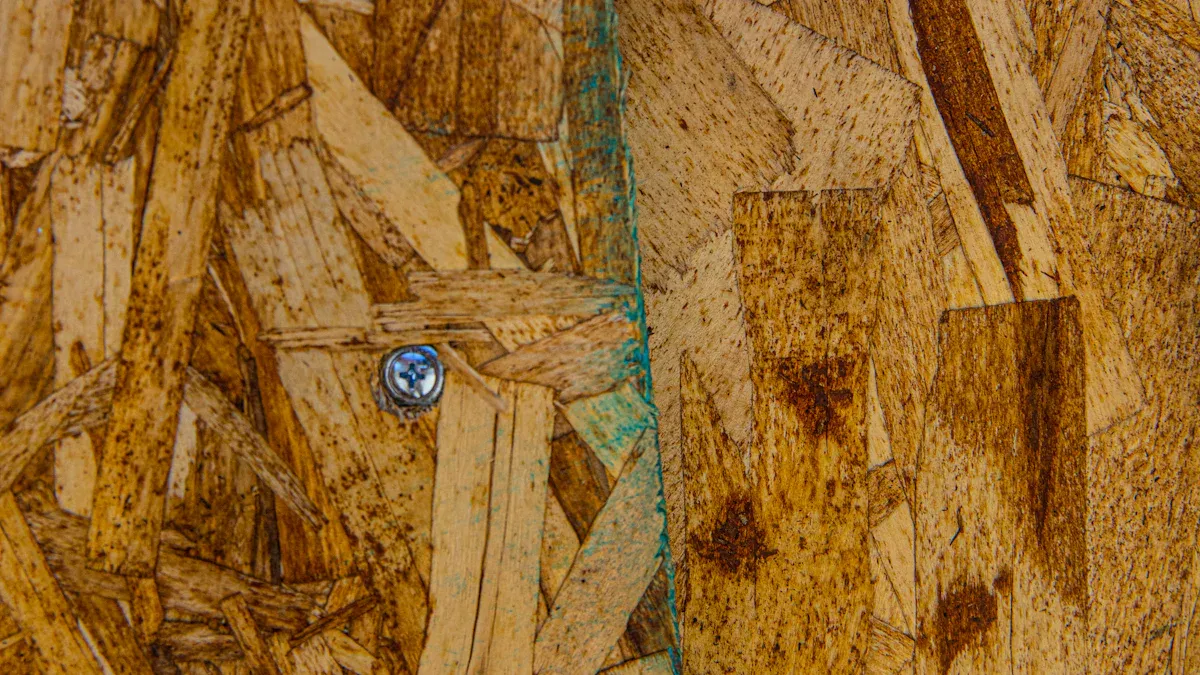
Chipboard screws are used with engineered wood like chipboard or particle board. These screws have a special shape that helps them hold soft, pressed wood tightly. Chipboard screws do not look the same as wood screws. Their sharp threads go from top to bottom. This lets you put them into chipboard without breaking it. Most times, you do not need to drill holes first. Chipboard screws make building furniture and cabinets quicker and easier.
Ningbo Donghuang Hardware Co., Ltd. makes chipboard screws for many wood projects. The company uses modern machines and checks quality carefully. You get screws that are strong and meet high standards.
Tip: Chipboard screws are best for engineered wood. Pick them for shelves, cabinets, and flat-pack furniture.
Chipboard screws from Ningbo Donghuang Hardware Co., Ltd. have features that help you finish your work well. The table below shows the main finishes and drive types:
Available Finishes | Drive Types |
|---|---|
White Blue Zinc Plated | Phillips Drive |
White Zinc Plated | Pozidriv Drive |
Yellow Zinc Plated | Torx Drive |
Square Drive |
The yellow zinc finish helps chipboard screws fight rust. You can use them in wet places or where weather changes. The square drive lets you turn the screw harder. You will see less slipping when you put in these screws. The flat head makes the surface smooth, which is good for furniture and cabinets.
Chipboard screws are made from strong materials. The table below shows the main types:
Material Type | Description |
|---|---|
Carbon steel | Used for most jobs |
Stainless steel | Good for places with rust |
Case-hardened steel | Very strong |
Ningbo Donghuang Hardware Co., Ltd. checks quality at every step. The company looks at raw materials and checks each batch. You get chipboard screws that work well every time.
Yellow zinc plated chipboard screws do not rust easily.
The screws work well in wet and damp places.
You might need more protection if there are strong chemicals.
You can count on chipboard screws from Ningbo Donghuang Hardware Co., Ltd. for strength, long life, and easy use.
You use wood screws when you want to join pieces of natural wood. These screws have a special design that helps them grip wood tightly. The tip is sharp, so you can drive it into wood without making a pilot hole first. The threads run partway up the shaft, which lets the screw pull two pieces of wood together. You often see wood screws in furniture, cabinets, and construction projects. When you pick the right wood screw, you make your project stronger and safer.
Wood screws come in different materials. Each type has its own benefits:
Carbon steel gives you strength and toughness. It costs less, but it can rust if you use it outside.
Stainless steel resists rust. You use it in places where moisture is a problem.
Brass looks nice and does not rust easily. It works well for decorative jobs, but it is softer than steel.
Tip: Choose stainless steel wood screws for outdoor projects. Pick brass screws if you want a decorative finish.
Wood screws have features that match their job. You see differences in screws for furniture and construction. The table below shows how these features change:
Feature | Furniture Screws | Construction Screws |
|---|---|---|
Aesthetic Appeal | Designed for visual appeal without damaging wood | Focus on functionality over aesthetics |
Strength | Strong hold while minimizing wood damage | Prioritize speed and strength for quick assembly |
Point Design | Typically less aggressive to avoid splitting wood | Sharp points for easy penetration without pilot holes |
Thread Design | Fine threads for hardwoods | Coarse threads for softwoods and quick driving |
Intended Use | Indoor applications like cabinetry and furniture | Outdoor and structural applications |
You use furniture wood screws when you want a neat look and a tight fit. These screws hold wood together without splitting it. Construction wood screws help you build fast and strong. They work well in outdoor jobs and heavy-duty projects.
Note: Furniture screws are made for looks and gentle grip. Construction screws are built for speed and power.
You can find wood screws for almost any project. Pick the right type for your job, and you get better results every time.
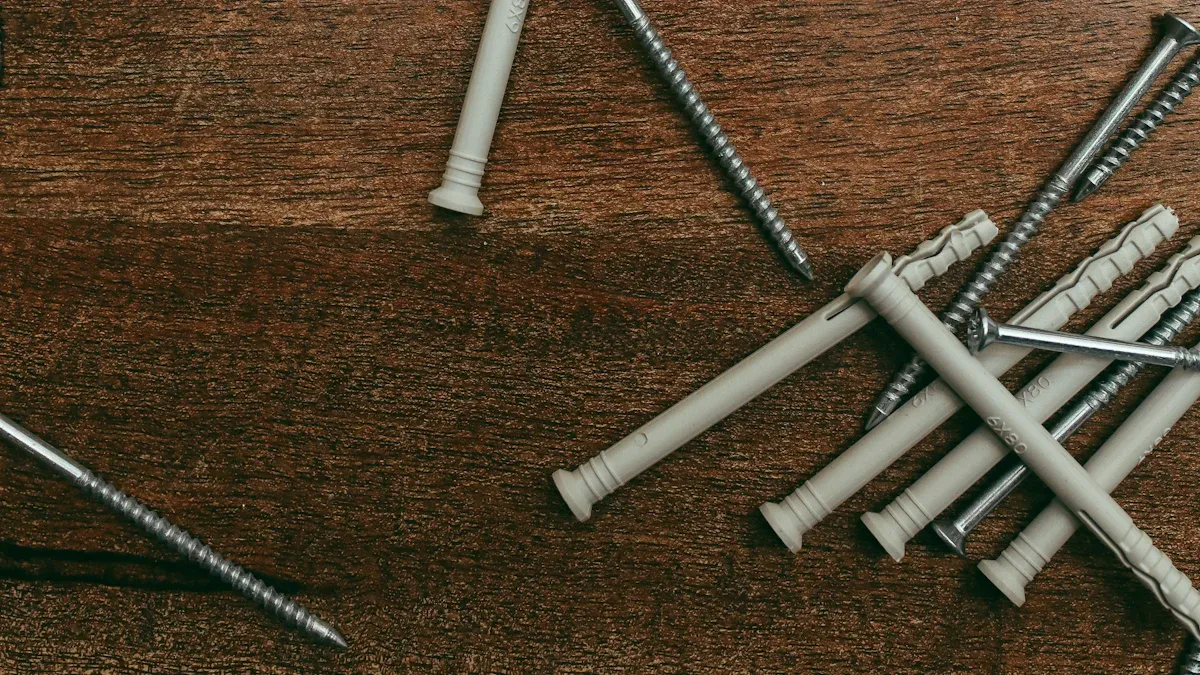
When you look at wood screw vs chipboard screw, you will notice big differences in their threads. Wood screws have a partially threaded shank. The top part of the shank is smooth. This design helps pull two pieces of wood together and keeps the wood from splitting. Chipboard screws have a fully threaded shank. The threads are deeper and sharper. This gives them a strong grip in softer materials like particle board or MDF.
Here is a table to help you see the differences:
Feature | Wood Screws | Chipboard Screws |
|---|---|---|
Thread Design | Partially threaded shank with a smooth upper part | Fully threaded shank with deeper, sharper threads |
Purpose | Helps pull wooden pieces together, prevents splitting | Provides strong grip in softer materials, cuts efficiently |
You will also see a difference in thread pitch. Chipboard screws have a wider thread pitch, usually about 2.5mm spacing. This helps them hold better in brittle materials. Wood screws have a more symmetrical thread pitch. The shank diameter of chipboard screws is thinner, which makes them easier to drive into engineered wood. You usually do not need to pre-drill holes for chipboard screws, but you often need to pre-drill for wood screws.
Feature | Chipboard Screws | Wood Screws |
|---|---|---|
Thread Pitch | Wider (2.5mm spacing) | Symmetrical |
Shank Diameter | Thinner (3.5mm average) | Standard |
Thread Length | Full-length | Partial |
Performance in Material | Optimized for brittle | Standard for wood |
Pre-drilling Required | Usually not required | Often required |
Tip: If you work with particle board or MDF, choose chipboard screws for a stronger hold.
The materials and coatings used in wood screw vs chipboard screw also set them apart. Most chipboard screws are made from carbon steel or stainless steel. These materials give the screws strength and durability. The threads on chipboard screws are designed to grip engineered wood tightly and prevent splitting. Coatings like zinc and black phosphate help protect the screws from rust and make them last longer, even in damp places.
Wood screws also use carbon steel, stainless steel, or sometimes brass. You will find different coatings on wood screws, such as zinc, epoxy, and special brands like PrimeGuard®. These coatings add extra protection against corrosion. Some coatings, like epoxy, can even match the color of your project.
Here is a table showing common coatings:
Coating Type | Description |
|---|---|
Zinc | Used for exterior screws, offers protection against rust. |
Epoxy Coatings | Polymer-based, provides even corrosion protection, can be color-matched. |
PrimeGuard® | Zinc base with epoxy resin top coat, up to 10 years corrosion resistance. |
PrimeGuard PLUS® | Similar to PrimeGuard®, tested for up to 1000 hours of corrosion resistance. |
Chipboard screws use carbon steel and stainless steel for strength.
Their threads give a strong grip in engineered wood.
Zinc and black phosphate coatings help them last longer.
Note: Always pick the right coating for your project. Zinc coatings work well for most indoor jobs. Use stainless steel or special coatings for outdoor or wet areas.
You will see clear differences when you compare wood screw vs chipboard screw in real projects. Chipboard screws work best with particle board, MDF, and other engineered woods. You often use them in furniture, cabinets, shelving, and interior fixtures. Their sharp points and fine threads grip these materials tightly without causing damage.
Wood screws are better for solid wood. You use them to build frames, attach trim, or make joints that will be hidden. They give strong holding power in traditional woodworking.
Here is a table to help you choose:
Screw Type | Recommended Applications | Characteristics |
|---|---|---|
Chipboard Screws | Particle board, MDF, cabinets, furniture, shelving, interior fixtures | Fine threads and sharp points for secure grip without damage. |
Wood Screws | Building frames, attaching trim, hidden joints in cabinetry | Designed for solid wood, strong holding power in woodworking. |
You can follow these steps for cabinetry:
Hang wall cabinets into wood framing.
Join cabinet boxes side to side through face frames.
Fasten cabinets to cleats or hanging strips along walls.
Secure modular cabinets together in runs or islands.
Chipboard screws perform much better than wood screws in particle board. Their coarse threads and fully threaded design give them a strong hold and prevent splitting. You do not need to pre-drill holes, which saves you time. Wood screws work best in solid wood, where their design helps pull pieces together and keeps joints tight.
Remember: Use chipboard screws for engineered wood and wood screws for solid wood. This choice gives you the best results and keeps your projects strong.
You face many choices when you start a woodworking project. Picking the right screw makes your work easier and your results stronger. Here are some common projects and the best screw types for each:
Cabinetry: Use deep-threaded screws for strong joints in engineered wood. These hold cabinets together and prevent sagging.
Furniture assembly: Choose screws with a flush head for a smooth finish. This works well for desks, tables, and bookshelves.
Outdoor structures: Select screws with corrosion-resistant coatings. These last longer in wet or changing weather.
Heavy-duty shelving: Go for screws that offer high holding power. This keeps shelves stable and safe.
If you work with engineered wood, like MDF or chipboard, you need to think about the material’s strength. MDF needs pilot holes and countersinking. This stops the surface from cracking. Chipboard and OSB do not hold standard wood screws well. Deep-threaded screws work better for these materials. Plywood is strong, but it can split at the edges. Pre-drilling helps prevent this problem.
You want your project to last. You also want it to look good. Follow these tips to choose the best screws for your job:
Think about the joinery method. Will the screw sit in a pocket hole or flush with the surface? This affects the type of head you need.
Measure wood thickness. Pick a screw that is long enough to hold, but not so long that it pokes through.
Match the screw to the wood type. Use coarse threads for softwoods. Use fine threads for hardwoods. For hardwoods, pre-drill holes to avoid splitting.
Check the project location. If your project will be outside, pick screws with weather-resistant coatings.
Choose the right screw head. Square or star heads are easier to drive and less likely to strip than Phillips or flat heads.
Pre-drill pilot holes. This step helps prevent splitting and makes driving screws easier.
Buy in bulk. Local lumber yards often offer better prices for large quantities.
Pilot holes reduce the amount of force needed to drive in the screw, which minimizes the risk of damaging the material or stripping the screw head. It's an extra step, but it can save you a lot of headaches.
When you select screws for home improvement, always match the screw to the materials you are joining. The right screw head, length, and thread type can stop wood from splitting or drywall from drooping. Make sure the screw goes in smoothly with your tools. A secure hold keeps your project safe and strong. Using the right screw also helps prevent corrosion and faulty joints.
Use pilot holes to prevent splitting, especially in hardwoods.
Avoid over-tightening screws to prevent damage to materials and screws.
You can make better choices by following these tips. Your projects will look better and last longer.
Chipboard screws help you with engineered wood projects. They make building easier and help furniture last longer. Here are some main benefits:
The coarse threads hold tight. Your joints stay strong, even with heavy weight.
Fine, deep threads grip inside the wood fibers. This keeps things tight for a long time.
Full-length threads work like anchors in particleboard. They stop slipping and help shelves or cabinets last.
These screws join particle board to other surfaces. You avoid sagging and shifting as time goes on.
You can put them in fast. The thin shaft and sharp tip let you drive them in without pilot holes.
Tip: For quick building and strong joints in chipboard or MDF, pick screws made for engineered wood.
Wood screws are good for solid wood projects. You can use them for many kinds of woodworking. The table below lists their main benefits:
Benefit | Description |
|---|---|
Strength and Durability | They make strong connections. Your project stays sturdy for a long time. |
Ease of Installation | You can use simple tools to install them. Beginners and experts find them easy to use. |
Versatility in Applications | Use them for furniture, cabinets, and outdoor jobs. |
Resistance to Corrosion | Many wood screws do not rust. You can use them outside. |
Improved Grip and Stability | Their shape helps stop slipping when you drive them in. |
Cost-Effectiveness | They last a long time. You save money because you do not replace them often. |
Aesthetic Considerations | You can countersink them for a smooth look. Your project looks neat. |
Environmental Impact | Many are made from materials you can recycle. This helps the environment. |
Availability and Options | You can find many sizes and types at most stores. |
Note: Wood screws give you strength and flexibility for many woodworking jobs. You can use them for indoor and outdoor projects.
You have learned the key differences between chipboard screws and wood screws. The table below highlights what sets them apart:
Feature | Chipboard Screws | Wood Screws |
|---|---|---|
Design | Fully threaded, thin shank | Tapered point, partial thread |
Best Use | Engineered wood like MDF, chipboard | Solid wood, general woodworking |
For chipboard or MDF, choose chipboard screws for a strong hold. For solid wood, wood screws give you the best results. Always match the screw to your material for safe, lasting projects.
Chipboard screws work best with engineered wood like particle board. Wood screws fit solid wood. You get better grip and less splitting when you match the screw to the material.
You should not use chipboard screws in solid wood. The threads may not hold as well. Wood screws give you stronger joints in natural wood.
Most chipboard screws do not need pre-drilled holes. Their sharp tips and deep threads let you drive them in quickly. Pre-drilling helps if you work with very hard or dense materials.
You get the best results with chipboard screws for flat-pack or engineered wood furniture. Wood screws work better for solid wood furniture. Always choose the screw that matches your material.


