
Views: 0 Author: Site Editor Publish Time: 2025-12-03 Origin: Site
A chipboard screw is a type of fastener made for joining chipboard and other engineered wood materials. You need to choose the right screw when you build with engineered wood. If you use the wrong screw, you might notice wobbly legs or loose joints in your furniture. The right screw has coarse threads and a sharp tip. These features help the screw grip the wood tightly and keep your project strong and stable.
Chipboard screws are made for joining chipboard and engineered wood. They help make strong and stable connections. These screws have coarse threads and a sharp tip. This lets you install them easily without pre-drilling. It saves you time. Picking the right size and type of chipboard screw is important. It helps stop the wood from splitting. It also helps you get a neat finish. Chipboard screws can be used in many projects. You can use them for furniture, cabinets, and floors. Good screws, like ones from Ningbo Donghuang Hardware Co., Ltd., last a long time. They do not rust easily. This makes your projects last longer.
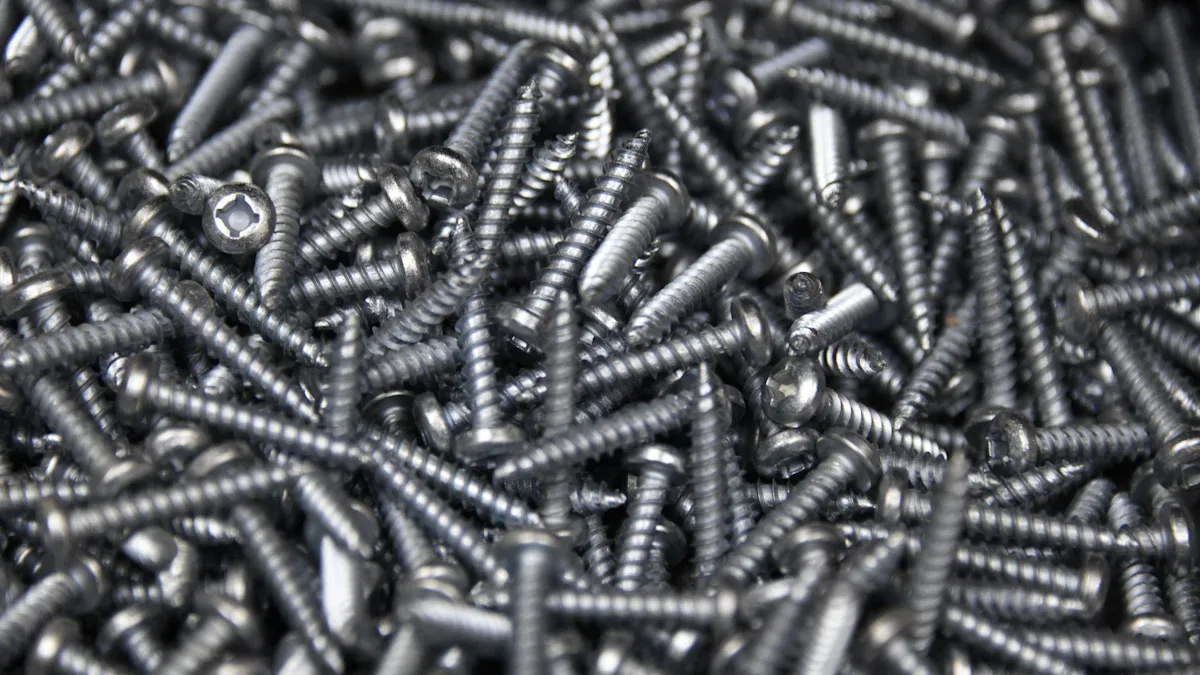
You use a chipboard screw when you need to join chipboard or other engineered wood materials. This type of screw has a special design that makes it perfect for these jobs. Most chipboard screws have coarse and deep threads. These threads help the screw grip the chipboard tightly. You do not need to pre-drill holes because the sharp, self-tapping point lets you drive the screw straight into the wood. Many chipboard screws have a flat or countersunk head. This means the screw sits flush with the surface, so your project looks neat and smooth.
You can find chipboard screws in different sizes. Common sizes include 5.0x40 mm and 5.0x70 mm. Most chipboard screws are zinc-plated or have a yellow zinc coating. This helps protect the screw from rust and gives it a nice finish. Some chipboard screws have special nibs under the head. These nibs help the screw sink into the wood without splitting it. You will also notice that many chipboard screws use a Pozi or Square drive. These drive types help prevent the bit from slipping, so you can work faster and safer.
Here are some key features of chipboard screws:
Coarse, deep threads for strong grip in chipboard.
Sharp, self-tapping point for easy installation.
Flat or countersunk head for a flush finish.
Zinc or yellow zinc coating for corrosion resistance.
Pozi or Square drive to reduce cam-out.
Special nibs for smooth countersinking.
You use chipboard screws most often in furniture assembly, cabinet making, and general carpentry. These screws help you create strong and stable connections. Your projects last longer and stay sturdy.
Tip: Always choose the right size and type of chipboard screw for your project. This helps you avoid splitting the wood and keeps your work looking professional.
Material Type | Description |
|---|---|
Steel | The primary material used, known for strength and durability. |
Carbon Steel | Often coated for corrosion resistance; common choice for chipboard screws. |
Stainless Steel | Naturally resistant to rust and corrosion, ideal for moist environments. |
Coatings | Includes zinc, yellow zinc, and black phosphate for enhanced durability and appearance. |
You might wonder how chipboard screws compare to other screws like wood screws or drywall screws. The main difference is in the thread design and the way each screw works with different materials.
Screw Type | Thread Design Description |
|---|---|
Wood Screws | Partially threaded shank with coarse threads to prevent splitting and ensure a solid hold. |
Chipboard Screws | Fully threaded shank with deeper and sharper threads for a strong grip in softer materials. |
Drywall Screws | Aggressive thread pattern with sharper, widely spaced threads for effective biting into gypsum. |
Chipboard screws have a thinner shank and finer thread than wood screws. This design gives you a better grip in chipboard and other less dense materials. The sharp point lets you drive the screw in without pre-drilling. You lower the risk of splitting the wood. Wood screws, on the other hand, often need pre-drilling, especially in hardwoods. Drywall screws have a different thread pattern made for gypsum board, not wood.
Feature | Chipboard Screws | Wood Screws |
|---|---|---|
Design | Thinner shank, finer thread for better grip | Thicker, coarser thread for stronger hold |
Point | Sharp point for easier drilling without pre-drilling | May require pre-drilling to prevent splitting |
Head Type | Typically flat to sit flush with the surface | Can have various head types (flat, hex, round) |
Intended Use | Specifically for chipboard, less dense materials | Designed for solid wood, denser materials |
Risk of Splitting | Lower risk due to design | Higher risk, especially in hardwoods |
When you choose chipboard screws, you make your work easier and your results stronger. You save time because you do not need to pre-drill. You also get a neat finish and a secure hold in chipboard and similar materials.
You want your projects to stay strong. Chipboard screws help because of their special threads. These screws have deep and coarse threads. The threads hold engineered wood very tightly. You do not need to worry about loose screws later. The deep threads give strong holding power. Your shelves or cabinets will stay safe, even with heavy things on them.
Coarse and deep threads make chipboard and MDF hold better.
The strong grip keeps the screw from coming out, even with weight.
You get a steady and safe way to fasten your projects.
Ningbo Donghuang Hardware Co., Ltd. uses good steel for their chipboard screws. This steel makes the screws strong and long-lasting. You can use these screws in chipboard, MDF, and plywood. The company follows strict rules when making screws. Every screw meets high standards, so you can trust them.
Tip: Pick chipboard screws with deep threads for the best hold in engineered wood.
You need screws that last, even in hard places. The right coating keeps your screws safe from rust. Ningbo Donghuang Hardware Co., Ltd. has chipboard screws with yellow zinc coating. This coating looks nice and keeps screws strong for a long time. Other coatings, like black phosphate and black zinc, also stop rust.
Coating Type | Benefits |
|---|---|
Yellow Zinc | Stops rust, looks good |
Black Phosphate | Protects from rust, makes screws last longer |
Black Zinc | Extra rust protection, lasts even longer |
You also want screws that are easy to use. Chipboard screws from Ningbo Donghuang Hardware Co., Ltd. come with Pozi Drive and Square Drive. These drive types help you work faster and safer. Pozi Drive holds the bit better and stops slipping. Square Drive lets you use one hand and keeps the bit steady, even with a lot of force.
Drive Type | User Experience | Torque Transmission |
|---|---|---|
Pozi Drive | Easy to use, less slipping, handles more force | Spreads force evenly, less damage to screw head |
Square Drive | Good for one hand, stays in place under pressure | Almost no slipping, great for strong turning |
Ningbo Donghuang Hardware Co., Ltd. cares about making good screws. The company uses new machines and checks every screw. You get screws you can trust for every project.
Chipboard screws are used in lots of woodworking jobs. They work best for joining chipboard, MDF, or plywood. People use them to build cabinets and shelves. These screws help make strong joints. Chipboard screws hold engineered wood tightly. This keeps your projects sturdy.
Here are some ways people use chipboard screws with engineered wood:
Putting together cabinets and drawers
Building shelves and bookcases
Making bed frames and flat-pack furniture
Installing wooden floors over chipboard
Doing joinery and carpentry with engineered wood
Chipboard screws are useful for many building tasks. You can use them for cabinets, shelves, and even heavy-duty projects. Sometimes, chipboard screws work for wood-to-metal connections. The threads grip the fibers in chipboard and MDF. This gives a secure hold.
The table below shows how chipboard screws work with different materials:
Material | Screw Type | Performance Characteristics |
|---|---|---|
MDF | Chipboard Screws | Coarse threads grip fibers well and lower splitting risk. |
Plywood | Wood Screws | Wood screws work best; chipboard screws can be used but may not work as well. |
Solid Wood | Traditional Screws | Needs other screw types because it is dense; splitting can happen if not careful. |
Tip: Pick the right screw for the material. This helps your woodworking projects turn out better.
Chipboard screws are used in many furniture and flooring jobs. These screws make building furniture easy and strong. You can put together bookcases and modular furniture. Chipboard screws are also used for flat-pack furniture found in homes and offices.
For flooring, chipboard screws attach floor panels and wood parts. They keep panels tight and stop them from moving. You can trust chipboard screws for small and big furniture jobs.
Some ways people use chipboard screws in furniture and flooring are:
Putting together furniture pieces
Making ready-to-assemble furniture
Building modular furniture
Attaching floor panels
Installing drywall and wood building parts
Chipboard screws are used in many projects because they are strong and reliable. You can count on them for cabinets, shelves, and flooring.
When you look at wood screws and chipboard screws, you see they are different. Chipboard screws have a thin, sharp point. Their threads are fine and close together. These features help you put the screw into particle board and MDF without breaking them. The threads hold tight, even in soft materials. This gives you a strong grip in engineered woods.
Wood screws look different from chipboard screws. They have thick shanks and coarse threads. You use wood screws to join solid wood pieces. The coarse threads help the screw stay in the wood. Wood screws come in many lengths and sizes. You can pick the right one for your job.
Here is a table that shows the main differences:
Feature | Chipboard Screws | Wood Screws |
|---|---|---|
Intended Use | Best for assembling furniture and composite materials | Ideal for joining wooden components and hardware |
Thread Type | Sharp threads designed to grip without splitting | Coarse threads for strong holding power in wood |
Length and Gauge | Generally shorter for thinner materials | Varies based on application, often longer |
Material Compatibility | Designed for particle board, MDF, and plywood | Suitable for solid wood applications |
You should always pick the right screw for your material. If you use the wrong screw, it might not hold well. The choice between wood screw and chipboard screw depends on your project.
You may wonder when to use each screw. The answer depends on what you are building.
Use chipboard screws for things like particle board, MDF, and plywood.
Pick chipboard screws for furniture you put together yourself, big projects, and custom furniture.
Choose chipboard screws when you need a strong hold in engineered wood or for outdoor decking.
Wood screws are best for regular woodworking. Use them to join solid wood or attach hardware to wood. They work well for cabinets, frames, and other wood projects.
Here is a quick guide:
Scenario | Best Screw Type | Reason for Preference |
|---|---|---|
Composite materials | Chipboard Screw | Strong hold in engineered wood due to sharp threads |
Large-scale projects | Chipboard Screw | Cost-effective and reliable for big jobs |
Ready-to-assemble furniture | Chipboard Screw | Prevents loosening over time in engineered wood |
Outdoor decking | Chipboard Screw | Durable and weather-resistant |
Joining solid wood | Wood Screw | Coarse threads grip wood fibers for a secure hold |
General woodworking | Wood Screw | Versatile for many wood-to-wood connections |
Remember this: use chipboard screws for engineered woods. Use wood screws for solid wood. This rule helps you get good results in your woodworking projects.
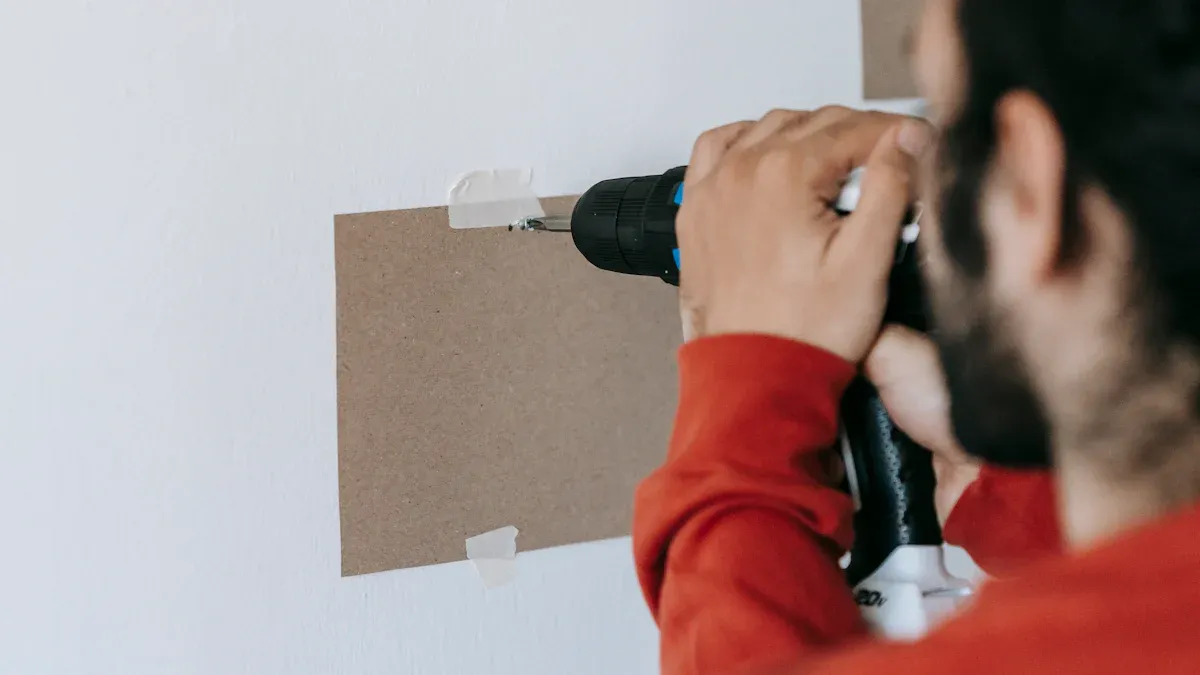
You need to pick the right size of chipboard screws for your project. The size affects how well the screw holds and how long your work lasts. If you choose a screw that is too short, it will not hold the materials together. If you pick one that is too long, it can poke through the other side or split the board.
Here is a table to help you decide:
Factor | Recommendation |
|---|---|
Screw Length | Use the thickness of the top material plus half to two-thirds the base chipboard thickness. |
Thread Type | Choose coarse threads for better grip in chipboard. |
Head Style | Select countersink heads for a flush finish. Pre-drill if needed. |
Over-Tightening | Stop when the screw head sits just below the surface. |
You should also think about these points:
Use a screw that is 2.5 to 3 times the thickness of the top board.
Pick countersunk heads for a smooth finish. Use pan or wafer heads if you want the screw to sit on the surface.
Select coarse threads for softer chipboard. Use fine threads for dense boards.
Choose zinc-plated or yellow-passivated screws for indoor jobs. Use corrosion-resistant coatings for outdoor work.
Tip: Always match the screw size to the thickness of your materials. This helps you securely fasten chipboard without damage.
You can install chipboard screws with a few simple steps. Follow these steps to get the best results:
Use the right bit. Match the bit to the screw type, like Pozi or Square Drive, to avoid damaging the screw.
Set your drill torque low. This prevents over-tightening, which can split chipboard. Adjust the clutch so the screw head sits flush.
Start slow. Let the screw tip bite into the material before you speed up. This keeps the screw straight and prevents bending.
Pre-drill if needed. For edges or thin chipboard, drill a small pilot hole. This stops the board from cracking.
Keep screws 50–75 mm apart. This spacing spreads the load and stops sagging.
Add extra screws for long shelves. For a 6-foot shelf, use at least four screws—one at each end and two in the middle.
Use two screws in corners. Place them diagonally for more strength because corners take the most stress.
You can also use a variable-speed drill with a torque-limiting clutch. Apply light pressure when you start. Pause after the first few threads engage to check alignment.
You want your chipboard screws to hold strong and last a long time. Here are some tips to help you:
Choose the right length. Make sure the screw goes deep enough into both pieces. For big projects, use longer screws.
Select the right gauge. For heavy jobs, use a thicker screw for more holding power.
Use stainless steel screws for outdoor or damp places. This stops rust and keeps your work looking good.
Clean the surfaces before you start. This helps the screw grip better and stops slipping.
Use a power drill. Chipboard screws are self-tapping, so you do not need to pre-drill most of the time.
Avoid over-tightening. Stop when the screw head is just below the surface. Too much force can split the chipboard or strip the threads.
Mark your screw locations and clamp the pieces together. This keeps everything in place and stops the board from moving or splitting.
For thick or dense chipboard, consider pre-drilling to prevent cracks.
Note: If you follow these steps, you will securely fasten chipboard and make your projects strong and safe.
Chipboard screws hold things together very well. They are easy to put in and do not split engineered wood as much. The table below shows why chipboard screws are helpful:
Benefit | Description |
|---|---|
Reduced Splitting | Lowers the chance of wood fibers breaking apart. |
Strong Holding Power | Thick threads keep joints tight, even with weight. |
Easy Installation | Sharp threads let you screw them in fast. |
Versatility | Can be used with chipboard, plastics, and soft metals. |
If you pick the right chipboard screw, your furniture will last longer. It will also stay strong. You can count on brands like Ningbo Donghuang Hardware Co., Ltd. for good screws. Use these tips for your next project to get better results.
You should pick a screw that is 3 times longer than the thickness of the board. For a 16 mm board, use a 4.0 x 45 mm screw. This gives strong support.
Yes, you can use chipboard screws in MDF and plywood. The deep threads grip these materials well. Always test on a scrap piece first to check for splitting.
Most chipboard screws have a sharp tip. You do not need to pre-drill for most jobs. For thin or edge areas, pre-drilling helps prevent splitting.
Drive Type | Benefit |
|---|---|
Pozi Drive | Less slipping, easy use |
Square Drive | Strong grip, no cam-out |
Both types help you drive screws quickly and safely.
Chipboard screws from Ningbo Donghuang Hardware Co., Ltd. have yellow zinc coating. This coating protects against rust. You can use them indoors and outdoors.


