
Views: 0 Author: Site Editor Publish Time: 2025-11-14 Origin: Site
Hex nuts are essential components in mechanical connections, providing stability and strength in everything from household projects to industrial machinery. Measuring hex nut size accurately is crucial, as incorrect sizing can lead to equipment damage, unsafe assemblies, and costly downtime. Many DIY enthusiasts and professionals overlook this step, but understanding the correct dimensions ensures proper fit and long-lasting performance. In this article, you will learn how to measure hex nut size precisely, including diameter, thickness, and thread pitch. We will also introduce Donghuang Hardware, a trusted provider of high-quality nuts, bolts, and measurement tools, designed to make your work easier and more reliable.
A hex nut is a six-sided fastener that secures bolts in place, keeping parts tight and stable. They are widely used in machinery, furniture, automotive systems, and industrial equipment. Hex nuts prevent components from loosening due to vibration, stress, or heavy load, ensuring safety and reliability. People often overlook their importance, but using the correct type of hex nut is critical for long-lasting mechanical connections. Donghuang Hardware provides high-quality hex nuts designed for precision and strength, making them suitable for a variety of applications from home projects to heavy industrial machinery.
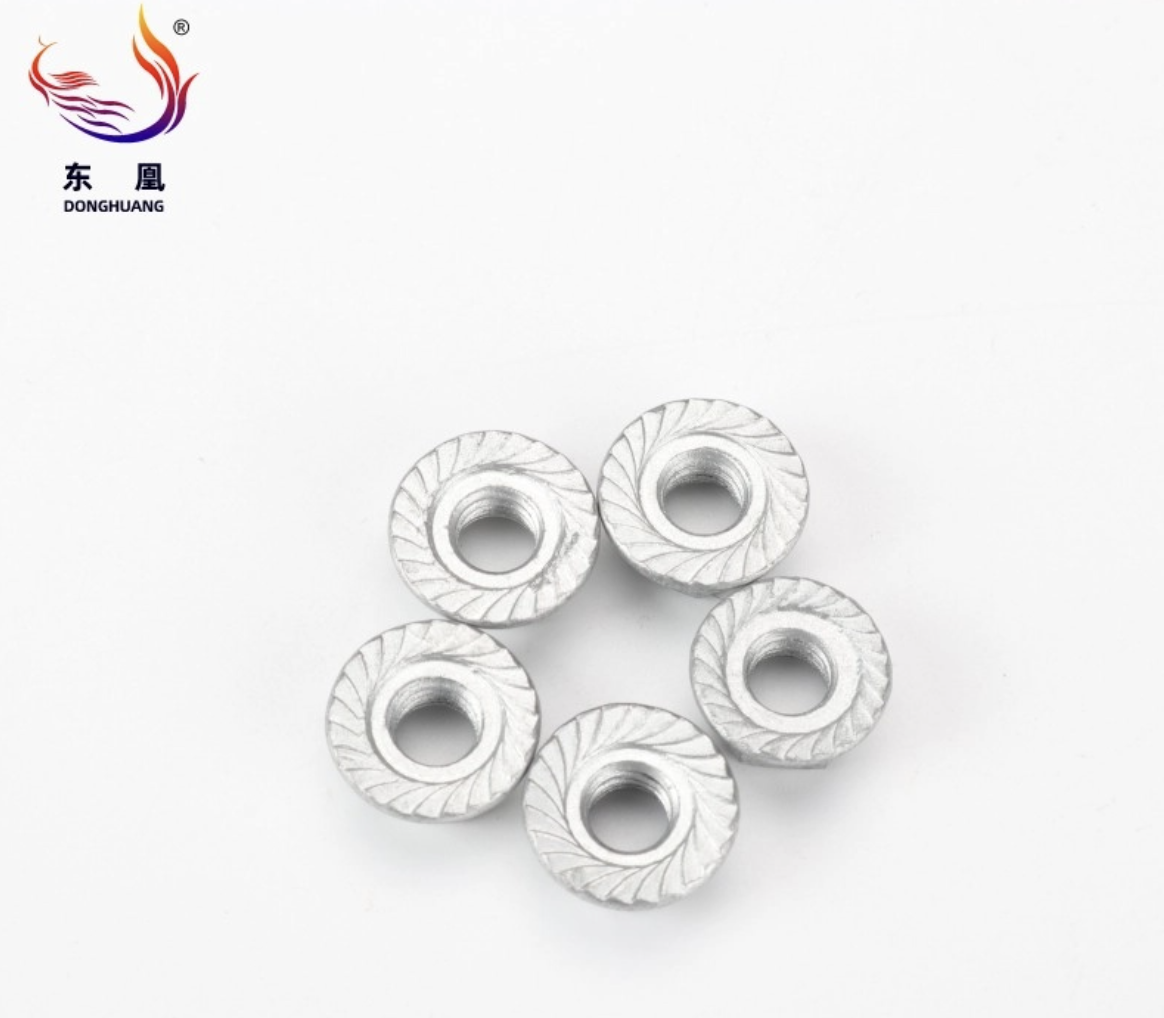
Hex nuts come in several variations to match different applications. Standard hex nuts are the most common type, used in everyday assembly projects like furniture or light machinery. Heavy-duty hex nuts are designed to withstand high load and are often used in construction and automotive industries. Lock nuts resist loosening in vibrating environments, making them ideal for engines and moving machinery. Flange nuts have an integrated washer that spreads load evenly, reducing surface damage and improving stability.
| Hex Nut Type | Typical Use | Key Feature |
|---|---|---|
| Standard | Furniture, light machinery | Simple, versatile |
| Heavy-Duty | Construction, automotive | High strength |
| Lock | Engines, machinery | Resists loosening |
| Flange | Equipment panels, industrial use | Even load distribution |
Hex nuts are essential in machinery, providing secure fastening for gears, motors, and structural components. They are also used in automotive applications to hold engines, wheels, and chassis parts together. In industrial equipment, hex nuts ensure stability in presses, conveyor systems, and heavy-duty machinery. Donghuang Hardware offers hex nuts in different grades and finishes to match the mechanical and environmental requirements of each project. Their products are engineered for durability, ensuring reliable performance even under high pressure or corrosive conditions.
Donghuang Hardware specializes in manufacturing high-strength, precision-engineered hex nuts. They offer a broad selection, including standard, heavy-duty, lock, and flange nuts. The company uses advanced materials and quality control processes to guarantee durability and accuracy. By choosing Donghuang Hardware, users gain access to products that fit perfectly, reduce the risk of mechanical failure, and last longer in challenging environments. Their commitment to quality makes them a trusted supplier for both small-scale projects and large industrial operations.
Measuring a hex nut correctly is not optional. It ensures the nut fits the bolt perfectly, preventing stripped threads or loose connections. Even a small mismatch can compromise structural integrity and reduce the lifespan of your assembly. In furniture, automotive parts, and industrial machinery, an incorrect nut size can lead to vibrations, instability, or even safety hazards.
Accurate measurement also saves time and reduces costs. Imagine installing hundreds of nuts only to find they don’t fit the bolts. It wastes labor, slows production, and increases material waste. Using precise measurement techniques ensures fast, reliable installation every time, keeping projects on schedule and reducing the risk of costly mistakes.
| Measurement Benefit | Effect on Assembly |
|---|---|
| Proper bolt compatibility | Prevents stripped threads |
| Maintains structural strength | Ensures long-lasting reliability |
| Reduces installation errors | Saves time and cost |
| Precision manufacturing | Supports standardized production |
Donghuang Hardware hex nuts are engineered for tight tolerance and consistent size. Each nut is produced under strict quality control, so you can trust it to fit perfectly every time. Their standardized production process ensures reliability in both small-scale projects and heavy industrial use. Choosing high-quality products eliminates guesswork, keeps machinery secure, and prevents thread damage during installation.
Measuring a hex nut accurately requires the right tools. Using proper equipment ensures the nut fits bolts perfectly and avoids installation errors. Even a small mistake in measurement can cause stripped threads or instability in your project.
A caliper is highly recommended for precision. It measures both the nut width across flats and thickness accurately. Digital calipers make reading easier, while vernier calipers are reliable for mechanical use. They provide millimeter or inch readings, making them versatile for metric and imperial nuts.
Thread gauges or nut size gauges help identify the thread pitch quickly. They allow you to check the spacing between threads and confirm compatibility with bolts. This prevents damaging the threads during assembly. A simple size gauge can save hours of guesswork in mechanical and industrial applications.
Rulers are less precise but useful for quick or approximate measurements. They help when high precision isn’t critical or for initial sorting. Combining a ruler with a caliper ensures both speed and accuracy.
| Tool | Purpose | Best Use |
|---|---|---|
| Caliper | Measures width, thickness | Precision measurement |
| Thread / Nut Gauge | Identifies thread pitch | Quick compatibility check |
| Ruler | Approximate measurement | Sorting and fast checks |
Donghuang Hardware provides durable, precise measuring tools and gauges. They are made to last, maintain accuracy over time, and simplify the measurement process. Whether for industrial projects or DIY tasks, their tools ensure your hex nuts are measured right the first time.
Measuring a hex nut accurately may seem tricky, but it’s straightforward if you follow the steps carefully. Each measurement ensures compatibility and avoids costly mistakes during assembly.
Use a caliper to measure the distance between two parallel sides of the hex nut.
Avoid measuring the diagonal; it gives the wrong size.
Check against standard charts to determine the nominal size.
Donghuang Hardware hex nuts are manufactured to strict WAF standards, ensuring consistent, accurate sizing for all applications.
| Hex Nut WAF (mm) | Standard Nut Size |
|---|---|
| 13 | M6 |
| 17 | M8 |
| 19 | M10 |
| 22 | M12 |
Measure the nut from top to bottom using a caliper.
Thickness affects how much load the nut can bear and overall structural stability.
Donghuang Hardware ensures uniform thickness across their hex nuts, meeting industry standards for safety and performance.
Use an inner caliper or a thread gauge to measure the internal diameter of the nut.
This measurement is critical for selecting the correct bolt and preventing cross-threading during installation.
For metric nuts, measure the distance between adjacent threads.
For imperial nuts, count threads per inch (TPI) along the bolt length.
Donghuang Hardware products have precise threading, allowing smooth bolt engagement and reliable fastening every time.
Metric example: M8 x 1.25 — 8 mm diameter, 1.25 mm thread pitch.
Imperial example: 1/2"-13 UNC — 1/2 inch diameter, 13 threads per inch.
| System | Notation Example | Diameter | Thread Pitch / TPI |
|---|---|---|---|
| Metric | M8 x 1.25 | 8 mm | 1.25 mm |
| Imperial | 1/2"-13 UNC | 1/2 in | 13 TPI |
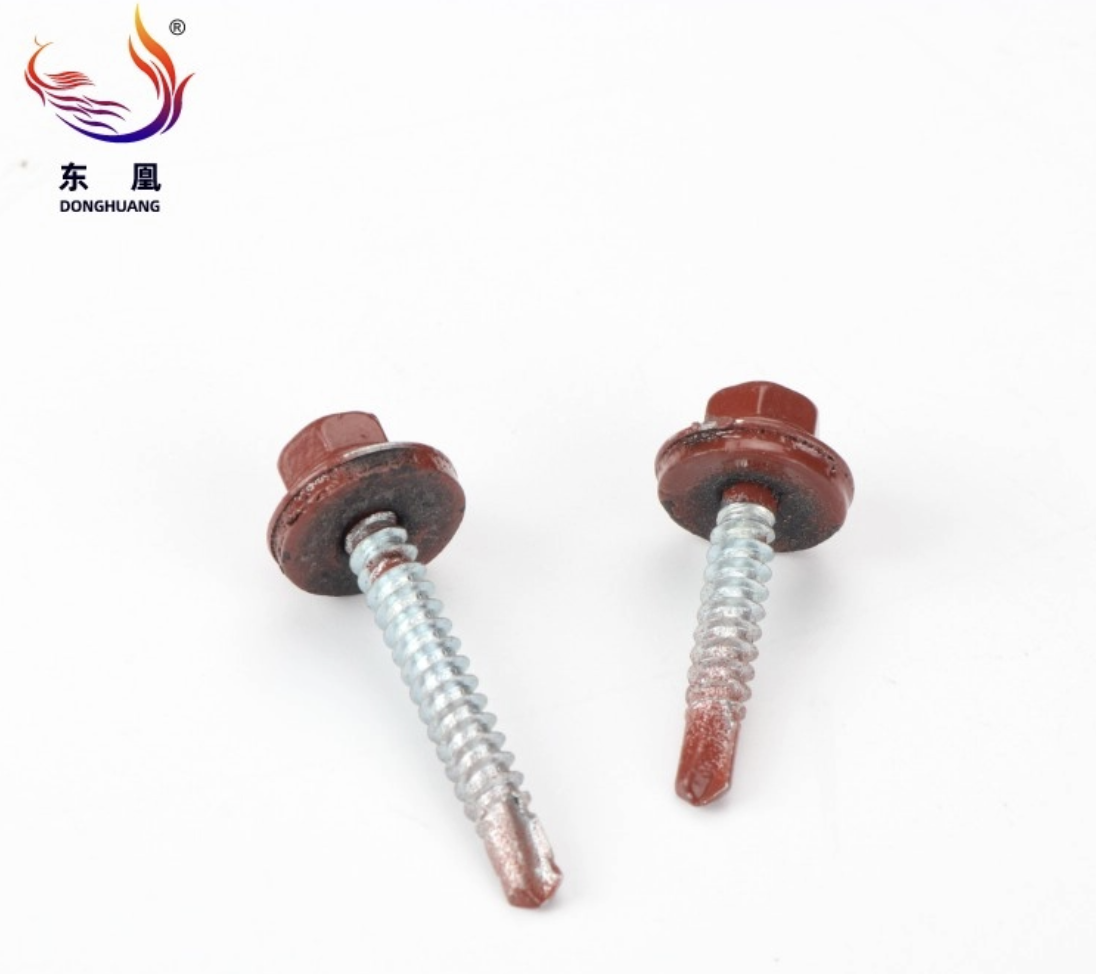
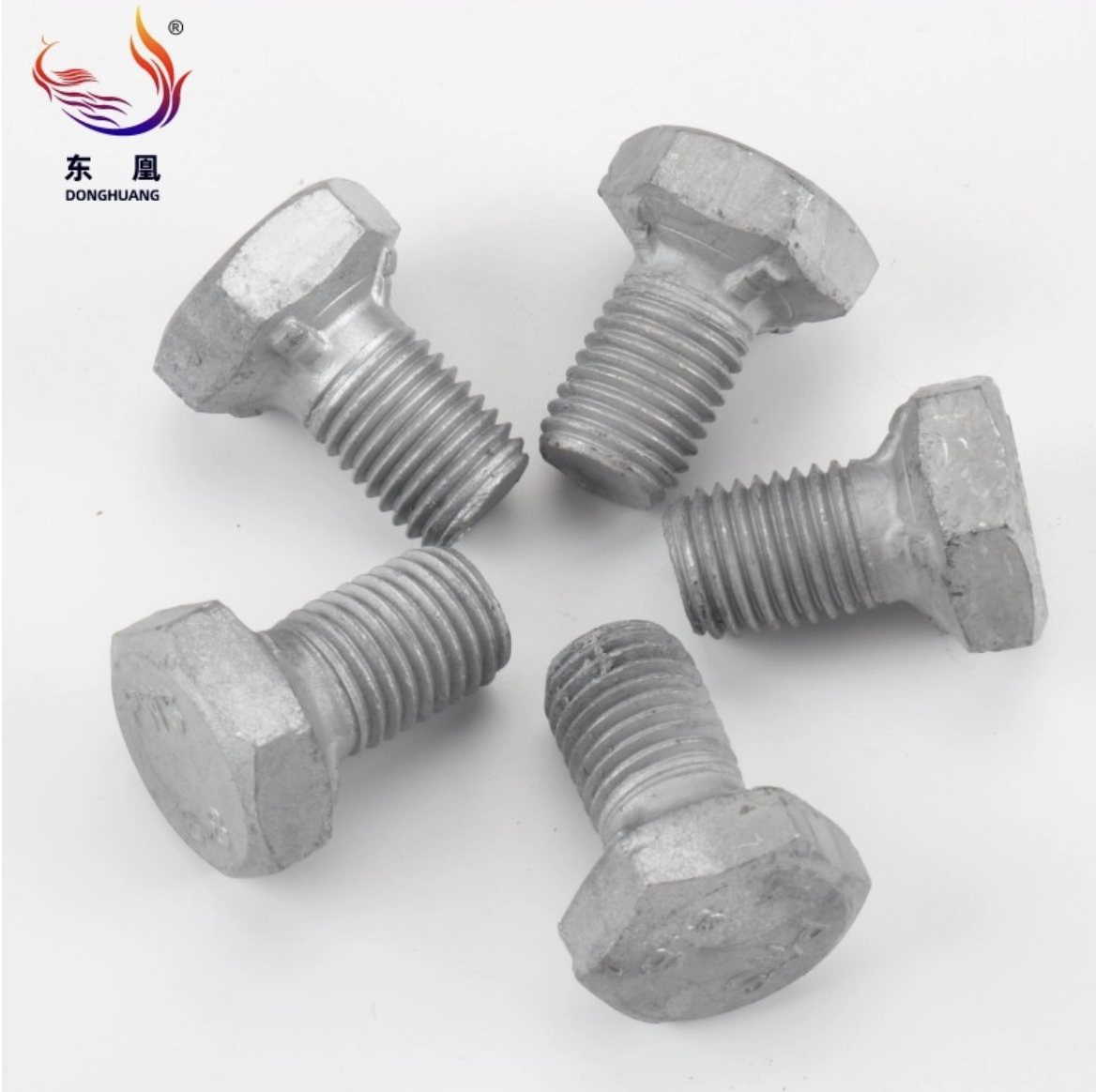
Selecting the correct bolt and hex nut combination is essential for safety, reliability, and preventing mechanical failures. A proper match ensures the fastener can handle the required load without loosening or damaging equipment. Donghuang Hardware provides a wide range of high-quality nuts and bolts, making it easy to find components designed to work together. Using matched components saves time and avoids the frustration of incorrect assemblies, especially in industrial or automotive applications.
Start by measuring the bolt diameter and checking the thread type against the hex nut. Even slight differences in diameter or thread pitch can cause cross-threading, stripped threads, or weak connections. Metric bolts and nuts must align in millimeters, while imperial fasteners need matching threads per inch (TPI). Donghuang Hardware ensures each hex nut is manufactured with precise internal threading, which fits standard bolts exactly, guaranteeing safe and secure fastening.
| Bolt Diameter | Nut Size | Thread Type | Recommended Fit |
|---|---|---|---|
| M6 | M6 | Metric Fine | Exact Fit |
| M8 | M8 | Metric Coarse | Exact Fit |
| 1/2"-13 | 1/2"-13 | UNC | Exact Fit |
| 3/8"-16 | 3/8"-16 | UNC | Exact Fit |
Testing the bolt and nut together before tightening is critical. Even if measurements match, a trial fit ensures threads engage smoothly without resistance or misalignment. It helps prevent damage during installation and confirms that components are compatible. Donghuang Hardware products are designed for easy engagement, reducing installation time and errors. By testing first, you can identify any irregularities early, saving both labor and costs.
Donghuang Hardware offers pre-matched bolt and hex nut sets, designed for precise compatibility. These sets reduce guesswork, speed up assembly, and ensure reliable fastening across different applications. Their manufacturing process follows strict tolerances, producing consistent dimensions and thread alignment. Whether for machinery, automotive, furniture, or industrial setups, using Donghuang Hardware matched sets guarantees stronger joints and improved overall safety.
Measuring hex nuts may seem simple, but small errors can cause big problems. Incorrect measurements can lead to loose fittings, damaged threads, or unsafe assemblies. Many people overlook details that affect fit, especially in machinery or automotive applications. Donghuang Hardware emphasizes proper techniques and quality tools to prevent costly mistakes.
One common error is measuring the diagonal instead of the width across flats (WAF). Diagonal measurements overestimate size, resulting in ill-fitting bolts. Always measure two parallel sides using calipers for accurate results. Donghuang Hardware hex nuts follow strict WAF standards, making correct measurement easier.
Worn or deformed hex nuts can give false readings if not checked carefully. Threads may be stripped, edges rounded, or surfaces damaged. Always inspect the nut before measuring. Donghuang Hardware ensures uniform quality, reducing variations that confuse measurements.
Mixing metric and imperial systems is a frequent mistake. M8 bolts won’t match a 5/16" nut even if dimensions seem close. Always verify units before selecting a nut. Donghuang Hardware provides clear labeling for both systems, helping you avoid unit errors.
Low-quality or uncalibrated tools introduce errors in measurement. Cheap calipers or gauges may read incorrectly, wasting time and materials. Using precision tools from Donghuang Hardware ensures reliable readings and smooth installation.
| Mistake Type | Common Result | Tip |
|---|---|---|
| Measuring diagonal | Oversized nut selection | Measure WAF only |
| Ignoring wear | Loose or unsafe fittings | Inspect nut condition first |
| Mixing metric/imperial | Thread mismatch | Verify units |
| Using low-quality tools | Inaccurate readings | Use calibrated Donghuang Hardware tools |
Protecting hex nuts extends their life and ensures safe, reliable operation. They face corrosion, dirt, and physical damage in machinery or outdoor environments. One simple solution is using protective caps. These caps prevent injury from sharp edges, improve appearance, and maintain durability over time. Donghuang Hardware offers UV-resistant caps that push-fit easily. They come in multiple colors and sizes, making it easy to match any application.
Hex nuts can loosen over time due to vibration or improper torque. Using lock nuts or anti-loosening washers is effective. Always apply the correct torque recommended for the nut size and application. Donghuang Hardware provides industrial-grade anti-loosening solutions, ensuring safety and maintaining assembly integrity even in heavy-duty environments.
Understanding metric and imperial systems is crucial for proper selection. Metric nuts are measured in millimeters (mm) with pitch between threads, while imperial nuts use inches and threads per inch (TPI). Confusing these systems can cause mismatches. Donghuang Hardware provides clear reference charts and standardized sizing to simplify conversions and avoid errors.
| System | Measurement Unit | Thread Specification | Example |
|---|---|---|---|
| Metric | mm | Pitch (distance between threads) | M8 x 1.25 |
| Imperial | inch | Threads Per Inch (TPI) | 1/2"-13 UNC |
Quick reference tables help select the right hex nut fast. Include width across flats (WAF), thickness, internal thread diameter, and pitch or TPI. Here’s an example combining metric and imperial standards:
| Type | WAF (mm/in) | Thickness (mm/in) | Thread Diameter | Pitch/TPI |
|---|---|---|---|---|
| Metric M6 | 10 | 5 | 6 mm | 1.0 mm |
| Metric M8 | 13 | 6.5 | 8 mm | 1.25 mm |
| Imperial 1/4"-20 | 7/16" | 0.22" | 1/4" | 20 TPI |
| Imperial 1/2"-13 | 3/4" | 7/16" | 1/2" | 13 TPI |
Accurately measuring a hex nut is crucial for safety, proper fit, and long-lasting performance. Incorrect measurements can cause thread damage, loosening, or structural failures. Using the right tools like calipers, thread gauges, and reliable rulers ensures each nut matches its corresponding bolt. Understanding metric and imperial sizes, thread pitch, and thickness improves compatibility and reduces errors. Donghuang Hardware offers high-quality hex nuts, matched bolts, and precise measuring tools that save time. Their products are durable, made with tight tolerances, and designed for smooth installation, making them ideal for industrial, automotive, and furniture applications.
A: A hex nut is a six-sided fastener used in machinery, automotive, furniture, and industrial applications.
A: Accurate measurement ensures compatibility with bolts, prevents thread damage, maintains strength, and reduces installation errors.
A: Calipers for precision, thread gauges for pitch, rulers for approximate measurements, all provided by Donghuang Hardware.
A: Measure width across flats, thickness, internal thread diameter, thread pitch, then read size notation using reference charts.
A: Verify diameter and thread match, test fit, and consider Donghuang Hardware matched sets for precise compatibility.
A: Measuring diagonals, ignoring wear, mixing metric/imperial, or using low-quality tools; Donghuang Hardware tools reduce errors.
A: Use protective caps to prevent corrosion, employ lock nuts or washers, apply correct torque, and follow metric/imperial charts for durability.


