
Views: 0 Author: Site Editor Publish Time: 2025-10-10 Origin: Site
You can measure bolt size with simple tools at home. You only need to check the diameter, length, and thread pitch. You do not need any special equipment. Beginners often use a ruler, a caliper, or a thread gauge. These tools help you get accurate results quickly.
Use simple tools like rulers, calipers, and thread gauges to measure bolt size. Always clean bolts before you measure them. This helps you get the right results and stops mistakes. Measure the diameter, length, and thread pitch to pick the right bolt for your job. Check the bolt grade to make sure it is strong enough for what you need. Organize and label your bolts so you can find them easily and stop them from rusting.
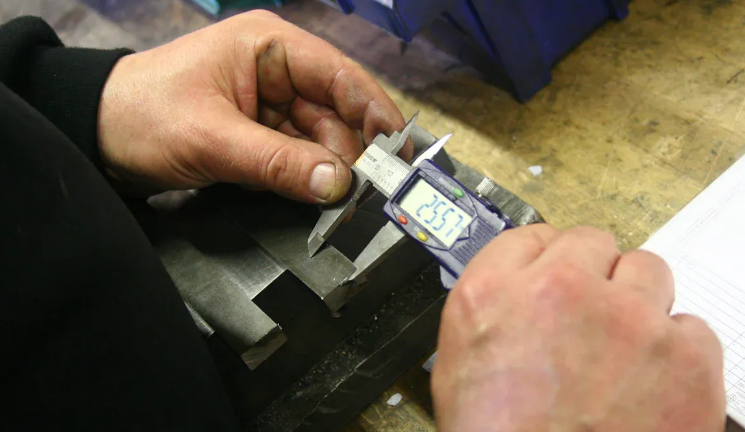
When you start measuring a bolt, you need the right tools. Each tool helps you get accurate results. You can use simple items found at home or choose more precise instruments for detailed work. Here is a quick overview:
Tool | Function |
|---|---|
Caliper | Measures diameter, length, and head size with high precision. Also checks thread pitch. |
Ruler/Tape Measure | Gives quick measurements for larger bolts. Useful when you do not need extreme accuracy. |
Thread Gauge | Finds the thread pitch by matching the blade to the bolt’s threads. |
Bolt Size Gauge | Lets you fit bolts through holes to check the size quickly. |
You can use a ruler or tape measure for basic measurements. Place the bolt next to the ruler and read the length and diameter. This method works best for larger bolts. The accuracy is moderate, so use it when you do not need exact numbers.
Tool Type | Accuracy Level | Use Case |
|---|---|---|
Ruler/Tape Measure | Moderate | Quick measurements for larger bolts. |
Calipers | High | Precise measurements for diameter and length. |
Tip: Always make sure the bolt is clean before you measure. Dirt can affect your results.
A caliper gives you precise measurements. You can measure the diameter, length, and even the head size. Digital calipers are easy to use and show quick readings. You can adjust them fast and use them for different types of bolts, including hex bolts and anchor bolts.
Calipers measure external, internal, and depth dimensions.
You get fast and accurate results.
You can use calipers for both metric and imperial bolts.
At Ningbo Donghuang Hardware Co., Ltd., we use advanced calipers and other precision instruments to check every bolt. Our quality control team inspects each product, including stainless steel bolts and high-strength fasteners, to meet strict standards.
A thread gauge helps you find the thread pitch. Follow these steps:
Clean the threads.
Select the blade that matches the thread profile.
Fit the blade into the threads. It should fit snugly.
Read the number on the blade. This shows the pitch size.
For extra accuracy, use a caliper to check the distance between threads.
Using a thread gauge prevents mistakes. If you use the wrong pitch, the bolt may not hold tightly. This can cause loose connections or damage.
Note: At Ningbo Donghuang Hardware Co., Ltd., we use thread gauges and other tools to ensure every bolt matches the required specifications. Our team checks each batch for quality and consistency.
Measuring a bolt with these tools helps you get the right fit for your project. You can trust our products to meet your needs in construction, automotive, and machinery applications.
You can use a caliper, bolt size gauge, or ruler. Put the caliper on the widest part of the threads. Look at the number from one side to the other. This is called the major diameter. If the bolt has a smooth part, measure that too. Always check both the thread and shank diameters to be sure.
Measure the thread diameter, which is the major diameter.
Measure the shank diameter, which is the smooth part.
Measure the root diameter, which is the minor diameter.
Tip: A caliper gives you the most exact measurement for bolt size.
To measure bolt length, start where the head meets the shank. Measure all the way to the tip. If the bolt has a countersunk head, measure the whole thing, including the head. If it has a hex or round head, measure just the shank. Use a ruler or caliper for the best results.
Error Type | Description |
|---|---|
Too short | Might not hold tight or grip enough threads. |
Too long | Might stick out, hit the end, or block moving parts. |
Over-tightening a long bolt | Can press the parts unevenly or jam the threads. |
Undersized washers/spacers | Can change the length and make things loose. |
Measurement Technique | Measure after putting the bolt in place, not just from drawings. |
Measurement Method | Use calipers or thread gauges for best results; do not guess. |
Always measure after you put the bolt in place. This helps you avoid mistakes.
Thread pitch is the space between each thread. Use a thread gauge to measure it. Match the blade to the threads until it fits tightly. For imperial bolts, count the threads in one inch. For metric bolts, measure the space between threads. Knowing how to measure threads helps you pick the right bolt.
Thread Series | Description | Applications |
|---|---|---|
Coarse Thread Series | Harder to mess up, good for quick jobs | Used for regular bolts and nuts |
Fine Thread Series | Stronger tension, needs more thread to hold tight | Used for careful, exact jobs |
Use a thread gauge to check thread pitch so bolts fit right.
You can figure out thread type by looking and using tools. First, see if the threads are outside (male) or inside (female). Next, check if the threads are straight or get smaller. Use a caliper to measure the diameter in different spots. If the diameter stays the same, the threads are straight. If it gets smaller, the threads are tapered. You can also use a pitch gauge to measure how many threads there are or the space between them.
Look at the threads to see if they are straight or tapered.
Use a caliper to check the thread type if you are not sure.
Use a pitch gauge to measure the pitch size and find the thread type.
A caliper and pitch gauge help you measure bolt size and thread type easily.
When you look at bolt dimensions explained, you see three main measurements. Each one tells you something important about the bolt’s performance.
Diameter: This is the thickness of the bolt’s shaft. You measure the shank’s diameter to know how strong the bolt is and how much weight it can hold.
Length: You measure the length of the shank from the underside of the bolt’s head to the tip. This helps you know how deep the bolt will go into the material.
Pitch: Pitch is the distance between each thread. You determine the thread pitch to make sure the bolt fits with the nut or tapped hole. If you want to know how to find thread pitch, use a thread gauge. If you want to know how to find threads per pitch, count the number of threads in a set length.
Tip: Always measure the length of the shank and check the pitch before you choose a bolt for your project.
Accurate bolt measurements keep your projects safe and strong. If you measure wrong, bolts may not fit or hold tightly. This can cause parts to move, wear out, or even break. Bolts must handle the forces in mechanical assemblies. If you pick the wrong size, the bolt may fail under stress. Corrosion also affects bolts. If you do not measure and check bolts, rust can weaken the connection and cause safety problems.
Errors in bolt measurements can lead to mismatched parts and loose connections. These problems increase the risk of failure, especially in places with vibration or heavy loads. Following industry standards helps you avoid these mistakes.
At Ningbo Donghuang Hardware Co., Ltd., we use precise tools and strict quality checks. We follow standards like ISO, DIN, and ASTM to make sure every bolt meets safety and performance needs.
You will find many types of bolts in construction and manufacturing. Each type has a special use and measurement method.
Carriage Bolts: Good for wood and plastic.
Flange Bolts: Used in pipes and machines.
Square-head Bolts: Easy to turn with tools.
Hexagon Bolts: Give more torque and contact area.
Hexagon Socket Bolts: Made for high torque jobs.
Double-end Bolts: Threads on both ends.
Eye Bolts: Used for lifting heavy things.
Dynabolts: Fix bolts to concrete.
High Strength Bolts: Handle high tension.
Lag Bolts: Secure buildings in concrete.
Blind Bolts: Used where access is limited.
J-Bolts: Fixed connections in concrete.
U-Bolts: Support pipes.
You measure these bolts using calipers, thread gauges, and visual checks. You also test torque, hardness, and tensile strength.
Bolt grades show you how strong and tough a bolt is. You determine the bolt’s grade by checking the markings and material. Higher grades mean more strength and better performance.
Bolt Grade | Material Type | Tensile Strength (psi) | Yield Strength (psi) | Typical Applications |
|---|---|---|---|---|
Grade 2 | Low Carbon Steel | 60,000 | 40,000 | Furniture, light-duty jobs |
Grade 5 | Medium Carbon Steel | 120,000 | 92,000 | Automotive, farming, industry |
Grade 8 | High Carbon Steel | 150,000 | 120,000 | Heavy-duty, high-stress work |
Grade 10.9 | Alloy Steel | 170,000 | 136,000 | Demanding industrial use |
You should always check the grade before you use a bolt. This helps you pick the right bolt for the job and keeps your project safe.
At Ningbo Donghuang Hardware Co., Ltd., we make bolts that meet strict standards. We test every bolt for strength, corrosion resistance, and quality. Our bolts work in many industries, such as construction, automotive, and machinery. We follow standards like ISO, DIN, UNI, ASTM A325, and ASTM A490 to make sure you get reliable products.
You need to measure bolts carefully. If you make mistakes, parts can get loose or break. Always make sure two full threads stick out past the nut or bolt head. This makes the connection stronger. Measure how thick your joint is before picking a bolt length. Remember to count washers and spacers in your measurement. Pick the right washer for your job. Lock washers stop bolts from coming loose when things shake. Use the right washer size to spread weight and protect your parts.
This guide explains bolt parts and how to measure them. It helps you get the right size and avoid mistakes.
Clean bolts are easier to measure. Dirt and rust can change the thread size and shape. Use a wire brush or cloth to clean off dirt before you measure. If you need to cut a bolt, put a nut on first. The nut helps you mark where to cut and fix the threads after cutting. You can use a cordless drill and hacksaw to cut bolts neatly. Put the bolt in the drill chuck, hold the hacksaw steady, and let the drill spin the bolt.
Marking where to cut on bolt threads can be hard. Use a nut to line up with the spot you want to cut.
Screw the nut onto the bolt until its flat side matches your cut spot.
Hold the nut and bolt head tight in a vise so they do not move.
Keeping bolts organized helps you find what you need fast. Put bolts in boxes with strong, clear labels. Write the size, type, and number on each label. Use color tags to make sorting easy. Good storage stops rust and keeps bolts ready to use. A neat inventory helps keep your work safe and successful.
Dimension Type | Description |
|---|---|
Bolt Dimensions | Shows details like bolt size, thread pitch, and bolt types. |
Compatibility Check | Lets you compare new bolts to standards to make sure they fit. |
Thread Pitch | Helps you pick the right bolt for your project. |
Charts help you check bolt sizes and make sure they match your hardware.
If you follow these tips, you will measure bolts better and keep your workspace neat.
You can find out bolt size at home with easy steps. First, check the length, diameter, and pitch to make sure it fits. Next, use digital calipers and thread gauges for better accuracy. Then, compare your numbers to standards like ISO 898.
A special toolkit makes checking bolt size easier and more reliable.
Benefit | Description |
|---|---|
Structured Guidance | Step-by-step way to measure bolts |
Error Reduction | Fewer mistakes when you measure and check bolts |
Measuring bolts the right way keeps equipment safe and stops problems. You can trust Ningbo Donghuang Hardware Co., Ltd. for strong fasteners.
Tightening bolts right keeps them strong.
Regular checks help lower risks.
You can use a ruler or tape measure. Place the bolt next to the ruler. Measure the diameter across the threads and the length from under the head to the tip. This gives you a basic size.
Thread pitch is the distance between threads. You need to match the pitch to the nut or hole. If you use the wrong pitch, the bolt will not fit or hold tightly.
You can reuse bolts if they show no damage or rust. Always check for worn threads or bends. Replace bolts that look weak or damaged to keep your project safe.
Look at the markings on the bolt head. Metric bolts often have numbers like 8.8 or 10.9. Imperial bolts use lines or letters. You can also measure the diameter and thread pitch to check the type.
Dirt and rust can change the size and shape of threads. Clean bolts give you accurate measurements. Use a wire brush or cloth to remove debris before you measure.


