
Views: 0 Author: Site Editor Publish Time: 2026-07-04 Origin: Site
A snapped shear pin leaves your equipment dead in the field. This high-stakes scenario forces a rapid decision from operators. Do you grab whatever hardware is lying around your shop? Using the wrong replacement part can destroy an expensive gearbox. It can completely mangle your tractor driveline. You might wonder if standard Grade 2 bolts are suitable for this critical job. The short answer is yes. Grade 2 bolts are widely used and frequently recommended for these specific applications. Their lower carbon steel content makes them an ideal sacrificial component. However, their viability depends entirely on the Original Equipment Manufacturer's baseline specifications. You cannot afford to guess when protecting heavy machinery. We created this comprehensive guide to help you protect your implements. You will learn an engineering-based framework for evaluating replacement parts. We will show you how to determine whether a standard Grade 2 bolt and a matching Shear Nut will save your tractor or introduce catastrophic risk.
Operators often mistake a snapped bolt for a weak component. They get incredibly frustrated when implements suddenly stop working. You must realize this breakage is actually a successful defense mechanism. It acts exactly like an electrical fuse in your home. The bolt sacrifices itself to protect your expensive machinery. It stops destructive energy from traveling up the driveline. You should celebrate a clean break. It means the system functioned exactly as engineered.
Material science explains this phenomenon perfectly. Grade 2 bolts consist of low-carbon steel. They possess significantly lower tensile and shear strength than higher-grade fasteners. This intentional softness allows them to break cleanly and predictably. They snap long before extreme torque limits can damage the Power Take-Off (PTO) shaft. Higher carbon steel resists breaking. It bends, warps, and transfers kinetic energy directly into delicate internal gears. Grade 2 steel absorbs the shock and separates. This protects the internal bearings and seals from catastrophic blowout.
How do you verify you have the correct bolt? You can easily identify a Grade 2 bolt visually. You just need to look at the top of the bolt head. It will have a completely smooth surface. You will see no radial lines or manufacturer grade markings. Higher grades feature very specific line patterns. You must check these markings carefully. This simple visual inspection prevents accidental mix-ups at the local hardware store.
| Bolt Grade | Head Markings | Material Composition | Typical Application |
|---|---|---|---|
| Grade 2 | No radial lines (Smooth) | Low-carbon steel | Shear pins, light fastening |
| Grade 5 | Three radial lines | Medium-carbon steel (quenched) | Automotive, high-stress joints |
| Grade 8 | Six radial lines | Medium-carbon alloy steel | Heavy suspension, structural |
Best practices dictate keeping different bolt grades in separate storage bins. You should never mix smooth-headed bolts with marked ones. A simple mistake during a hurried repair can lead to thousands of dollars in mechanical damage. Always verify the smooth head before installing it into a PTO driveline.
Equipment manufacturers hold different philosophies regarding acceptable shear hardware. We call one prime example the Kubota Exception. Some OEMs explicitly state either Grade 2 or Grade 5 is acceptable for certain implement models. They build their gearboxes robustly enough to handle the delayed breaking point of a Grade 5 fastener. Other manufacturers strictly forbid anything harder than Grade 2. You must consult your specific operator manual. Never apply advice for a heavy-duty rotary cutter to a lightweight snowblower.
You must carefully analyze the risks of over-engineering your hardware. Harder steel seems like an attractive feature at first glance. You might think it reduces replacement frequency and limits frustrating downtime. This logic leads to severe negative outcomes. A harder bolt transmits shock loads directly to the implement housing. Imagine a heavy ripper hitting a submerged granite rock. A Grade 2 bolt snaps instantly. The tractor continues forward safely. A Grade 5 bolt holds firm for a split second longer. That tiny delay forces the tractor's momentum backward into the implement chassis.
You save a few minutes of replacement time but risk destroying a major component. You trade a cheap fastener for a bent PTO shaft. We created a practical evaluation criteria chart. Use this framework when deciding which grade to deploy in the field.
| Evaluation Factor | Grade 2 Suitability | Grade 5 Suitability |
|---|---|---|
| Implement Type | Light duty (Snowblowers, tillers) | Heavy duty (Stump jumpers, rippers) |
| Shock Load Profile | Sudden, jarring stops (hitting rocks) | Gradual binding (thick brush) |
| OEM Manual Status | Explicitly required | Listed as an optional upgrade |
| Gearbox Rating | Standard agricultural cast iron | Reinforced commercial grade |
Common mistakes occur when operators lose their manuals. They ask neighbors or online forums for advice. Remember, what works for a neighbor's massive commercial mower will likely destroy your compact utility tractor. Always default to Grade 2 if you lack definitive OEM guidance. It remains the safest operational baseline.
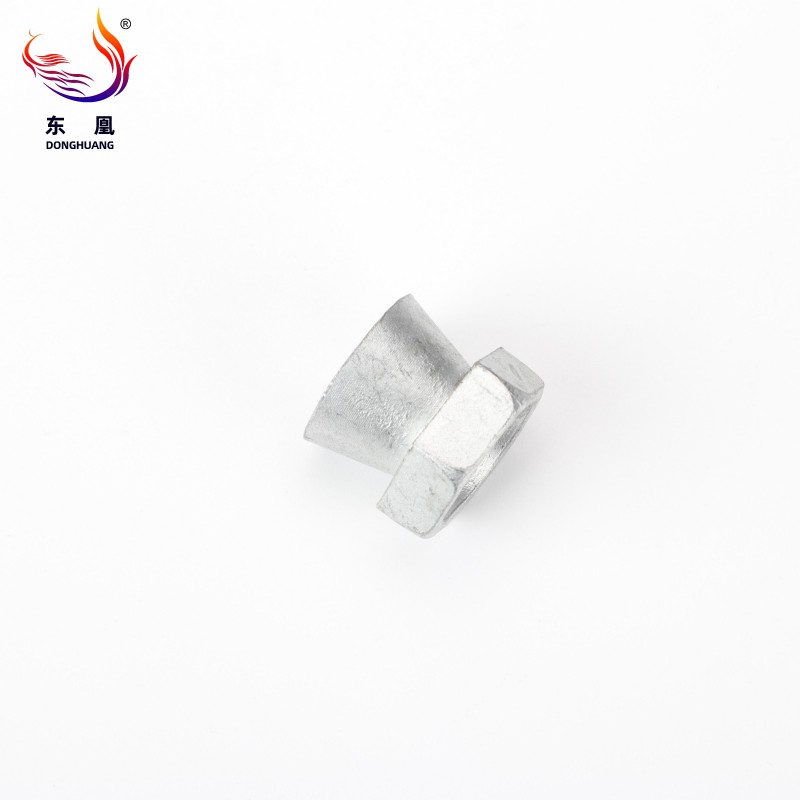
The bolt provides only half of the protective equation. You must secure the shear plane properly to guarantee reliable performance. The correct Shear Nut prevents the entire assembly from rattling out of alignment. Loose fittings cause premature fatigue in the metal. When a bolt rattles inside the mounting hole, it experiences micro-impacts. These impacts harden the low-carbon steel over time. The bolt eventually becomes brittle. It snaps during normal operation instead of an actual overload event.
You must actively avoid pre-stress failure during installation. Torqueing a standard hex nut too tightly adds immense tensile stress to the bolt shaft. This action physically stretches the metal. You essentially weaken the fastener before it ever faces rotational force from the tractor. A highly torqued bolt will snap prematurely. It cannot handle the combination of your tightening force and the implement's working load. You must allow the bolt to act solely against shear forces.
Nylon-insert locking nuts form the undisputed industry standard for these assemblies. Mechanics commonly refer to them as Nylocks. They hold the bolt securely in the shear plane. They achieve this without requiring crushing torque. The nylon ring grips the bolt threads tightly. Extreme vibration will not shake them loose during heavy agricultural work. You can tighten them just until they make flush contact with the flange. This leaves the bolt shank completely relaxed and ready to absorb sudden shear loads.
We see operators reuse old locking nuts to save money. This is a critical error. The nylon insert deforms upon first use. It loses its gripping capability once removed. You must deploy a fresh locking nut every single time you replace a broken pin. This guarantees the assembly remains stable under extreme agricultural conditions.
Many operators rush to the local hardware store after a breakdown. This route offers obvious pros. Fasteners are cheap, and immediate availability gets you back to work quickly. However, this convenience brings severe hidden cons. Hardware store bins often contain fasteners with inconsistent metallurgy. They source products from various global suppliers. One batch might shear perfectly. The next batch might consist of inferior pot metal. These cheap metals behave unpredictably under heavy load.
Thread length variations present an even bigger threat. Hardware store bolts rarely match exact OEM dimensions. You might buy a bolt that places threads directly inside the shear zone. The shear zone is the microscopic gap between the two rotating metal plates. Threads physically remove material from the bolt shank. A threaded section is significantly weaker than a solid smooth shank. Placing threads in the shear plane weakens the hold by roughly thirty percent. You will experience constant, frustrating breakage.
We must address the highly technical DIY machining debate. Some advanced operators modify standard fasteners in their home shops. They use metal lathes to cut specific shear grooves into thick bolts. This attempts to replicate expensive OEM parts. We strongly warn against this practice for most users. It carries extreme operational risk. Miscalculating the groove depth by a fraction of a millimeter ruins the shear point. A shallow groove destroys your driveline. A deep groove snaps instantly upon PTO engagement.
Commercial solutions offer the best protection. You should invest in purpose-built aftermarket kits or official OEM packages. Specialized retailers provide exact-spec hardware. They calibrate the unthreaded shank lengths perfectly.
Sizing the shank correctly determines the success of your repair. We cannot emphasize this enough. The solid, unthreaded portion of the bolt must rest entirely across the shear plane. It must bridge the gap between the driving yoke and the driven implement. If you see threads crossing that gap, you have the wrong size. Threads act as stress risers. Cracks propagate rapidly through the valleys of the threads. This reduces the bolt's strength by twenty to thirty percent. You will spend your entire afternoon replacing broken pins.
Installation protocol requires a methodical approach. Do not just hammer a new pin into the hole. Follow these step-by-step best practices to ensure longevity and safety.
You need to take proactive next-step actions. Do not wait for the next failure. Build a dedicated onboard breakdown kit today. Store it in a waterproof container attached directly to your tractor. Include five to ten pre-verified Grade 2 bolts. Add matching nylon locking nuts. Pack two exact-fitting wrenches and a steel drift punch. You will transform a frustrating hour-long delay into a minor five-minute pit stop.
We must finalize the verdict on using Grade 2 fasteners. A Grade 2 bolt is not just usable in these high-stress environments. It is frequently the optimal choice for protective applications. Its soft, low-carbon composition provides a perfect sacrificial barrier. It cleanly breaks under dangerous shock loads. It protects your expensive drivelines, gearboxes, and clutches from catastrophic failure. It performs this vital duty flawlessly, provided it matches your specific OEM specifications.
We urge you to rethink your maintenance strategy. Stop relying on random hardware store bins during an emergency. Prioritize bulk-buying verified Grade 2 kits specifically rated for your implement type. Keep a dedicated breakdown kit on your tractor. You should never have to guess about metal grades or thread lengths while stuck in a muddy field. Take control of your equipment health today. Invest in the right hardware and protect your machinery investment for years to come.
A: Absolutely not. Grade 8 steel will not shear in time. This delayed breakage guarantees severe driveline or gearbox destruction. If your Grade 2 fasteners break constantly, investigate the root cause. You are likely hitting submerged rocks, operating with severe driveline misalignment, or using a bolt with threads resting in the shear plane.
A: Yes, it matters slightly. Coarse threads represent the standard for agricultural environments. They handle dirt and grease much better than fine threads. Coarse threads are significantly less prone to cross-threading and stripping in harsh conditions. They perform perfectly provided you use an appropriate locking nut to prevent vibration loosening.
A: Hardware store bolts often feature incorrect thread lengths. This improper sizing places weaker threaded sections directly into the high-stress shear plane. Threads reduce structural integrity by nearly thirty percent. OEM bolts feature dimensionally calibrated smooth shanks. They ensure only solid steel handles the rotational force.

