
Views: 0 Author: Site Editor Publish Time: 2026-07-01 Origin: Site
Procurement teams face an immediate reality when sourcing fastening hardware. On a strict per-unit material basis, spring nuts command a premium over standard strut nuts or cone nuts. This upfront price difference often raises questions during project budget reviews.
However, evaluating hardware strictly by unit price ignores a critical variable in commercial construction and electrical installations. Hourly labor rates dictate project profitability far more than material expenses. A cheap component becomes expensive if installers spend extra time securing it. Suboptimal hardware often leads to dropped parts, frustrating manual adjustments, and mounting labor hours.
This article provides a transparent, total installed cost breakdown comparing these premium nuts to regular strut nuts. We will explore structural advantages, field implementation realities, and strategic sourcing methods. You will learn how to make ROI-positive purchasing decisions for your next major project.
Understanding the price premium requires looking at the manufacturing process. Spring Nuts cost more to manufacture because they contain an additional component. Factories must stamp the base metal, cut the threads, and then attach a specialized metal coil. This final crimping stage adds complexity. It demands precise machinery and extra quality control checks. Naturally, manufacturers pass this production expense down the supply chain.
We must also define our terms clearly. In strut channel framing, a "regular nut" does not mean a standard hex nut. Standard hex nuts lack the essential grooved teeth required to grip channel lips. Instead, a regular nut refers to a standard strut nut lacking a coil, or a simple cone nut. These base-level fasteners provide structural integrity but offer zero positioning assistance.
Decision-makers must adopt a broader financial perspective. You can calculate the true expense using a simple equation. Total Fastening Cost equals the material unit price plus the installation time multiplied by the labor rate. This formula shifts the focus from the purchasing department directly to the job site.
Let us examine the breakeven point. Skilled electricians and pipefitters command high hourly wages. Saving just 15 to 30 seconds per fastening point easily eclipses the minor material premium. Multiply those 30 seconds across thousands of connections in a large facility. The initial savings from buying cheaper hardware quickly vanish into wasted labor hours.
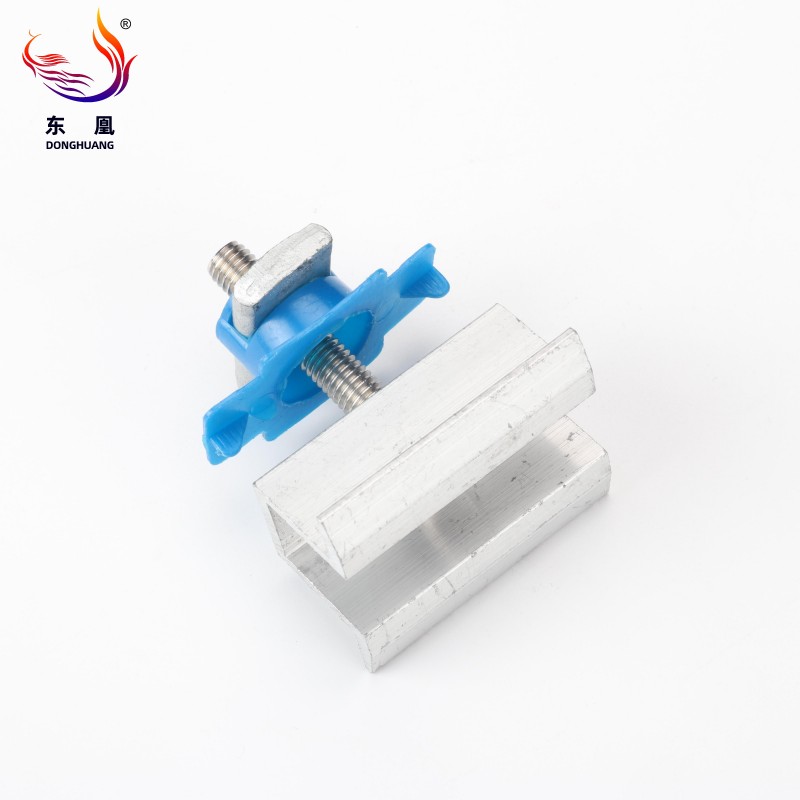
Selecting the right fastener requires evaluating specific project conditions. No single piece of hardware fits every scenario perfectly. Below, we break down the fundamental advantages and disadvantages of each option. This helps project managers align their purchasing choices directly against field requirements.
Standard strut nuts and cone nuts represent the most basic hardware for channel framing. They lock securely into the strut grooves when tightened. They do not feature any mechanism to hold themselves in place prior to torquing.
These fasteners integrate a flexible coil on the base. This coil presses against the bottom of the channel. The pressure forces the grooved teeth up against the channel lips.
To summarize these operational differences, review the comparison chart below.
| Feature | Standard / Cone Nuts | Spring Nuts |
|---|---|---|
| Hands-Free Holding | No | Yes |
| Overhead Efficiency | Low (Prone to dropping) | High (Stays in place) |
| Upfront Material Cost | Lowest | Premium |
| Installation Speed | Slow (Requires two hands) | Fast (Single-hand capable) |
You cannot justify premium hardware for every single task. You must deploy it strategically. Certain environments multiply the ergonomic benefits, turning a slight speed advantage into massive labor savings. Here are the target use cases where the premium yields an undeniable return on investment.
Overhead installations absolutely demand self-holding hardware. Ceiling grids, HVAC duct supports, and suspended cable trays force workers into awkward positions. Installers balance on ladders or scissor lifts. Dropping a standard nut means climbing down, retrieving it, and climbing back up. The self-holding mechanism eliminates dropped hardware completely. It prevents constant repositioning, keeping workers safe and efficient.
Vertical channel runs present similar challenges. Gravity pulls standard nuts straight down the strut track. Workers must somehow hold the nut inside the channel while simultaneously threading a bolt horizontally. The integrated coil prevents this sliding. It acts as a reliable brake, holding the nut exactly where the installer left it.
High-volume repetitive fastening scenarios also justify the expense. Large commercial builds might require tens of thousands of connection points. Cumulative time savings across these massive scale projects allow contractors to bid much more competitively. Winning a bid often depends on projecting lower labor hours rather than cheaper material lines.
Conversely, ground-level prefabrication does not strictly require them. If a worker builds a trapeze hanger flat on a workbench, gravity keeps standard nuts perfectly seated. We recommend reserving your budget on these specific tasks. Honest assessment of field conditions prevents unnecessary spending.
Theory does not always translate flawlessly to the field. Purchasing the right hardware category is only the first step. You must also select the exact right specifications. Ignoring these details introduces a major field complaint.
We call this the sizing trap. Workers often struggle to push down a newly inserted nut during installation. The coil binds against the channel floor. The installer must exert heavy manual force to align the threads. This completely negates any intended labor savings. The worker spends more time fighting the hardware than actually turning the wrench.
You avoid this issue by strictly matching the coil length to the specific channel depth. Follow this standardized sizing logic:
Best practices dictate clear communication between procurement and the field. Do not mix sizes in the same bin. Color-code the bins if possible. This prevents workers from grabbing a long-coil variant for a shallow channel.
A common mistake involves forcing mismatched hardware out of convenience. If a worker forces a long coil into a shallow strut, the compressed metal warps. This warping often leads to cross-threaded bolts. Cross-threading destroys the structural integrity of the connection point.
If binding remains a consistent bottleneck despite proper sizing, consider pre-assembled alternatives. Manufacturers now offer specialized channel nuts featuring pre-attached washers and rods. These upgraded solutions eliminate manual alignment entirely. They cost significantly more per unit, but they solve extreme labor shortages effectively.
Transitioning to a highly efficient hardware model requires strategic planning. Procurement teams must look beyond a simple supplier catalog. You must consolidate your inventory and evaluate your vendors rigorously.
Implement a strict standardization strategy. Consolidate your SKU counts immediately. Instead of stocking standard nuts alongside premium variants in every size, standardize on two or three versatile sizes. Most commercial projects only need 3/8-inch and 1/2-inch thread diameters. Bulk purchasing these specific sizes offsets the per-unit premium through volume discounts. It also drastically reduces inventory management overhead.
Evaluating suppliers requires technical scrutiny. Do not buy solely on the lowest quote. You must verify four specific criteria before signing a purchase order:
Always conduct pilot testing before a full rollout. Suggest buying a small batch of specific Spring Nuts first. Give them to the field team. Ask them to validate the time savings on a specific overhead installation. Track their installation speed objectively. Once the foreman confirms the ergonomic benefits, you can confidently authorize a full-scale procurement rollout.
One common mistake involves skipping field feedback entirely. Engineers might specify perfect hardware on paper. However, if installers dislike the specific brand's coil tension, they will revert to old habits. Securing team buy-in guarantees a successful transition.
The final verdict requires looking past the initial invoice. Upgraded fastening hardware is undeniably more expensive on paper, but it is vastly cheaper on the clock. By eliminating dropped parts and hands-on adjustments, these components protect your most expensive resource.
Shift your procurement evaluations today. Move away from a restrictive cost-per-part mindset. Embrace a comprehensive cost-per-installation mindset. Ensure you match coil lengths to channel depths perfectly to avoid field frustration. Consolidate your inventory to maximize bulk purchasing power.
Your next step is simple. View a detailed sizing chart from a reputable vendor. Request a small sample batch for your upcoming overhead project. Consult a fastener specialist today to explore volume pricing and standardize your next major build.
A: No. Regular hex nuts lack the specialized gripping teeth found on strut-specific hardware. Strut channels rely on these parallel grooves to lock securely against the metal lips. Without these teeth, a hex nut will spin freely or pull out under stress, compromising structural safety and load-bearing capacity.
A: Yes. Cone nuts are generally cheaper per unit because they lack the additional coil component. However, they lack hands-free positioning capabilities. Installers must manually hold them in place, making them highly inefficient for complex overhead or vertical installations.
A: You must match two distinct measurements. First, match the internal thread size to your intended threaded rod or bolt. Second, match the coil length to your strut channel depth. Use short coils for shallow channels and regular coils for standard 1-5/8 inch deep channels.
A: Yes, you can reuse them during configuration changes. However, you must inspect them carefully first. Ensure the internal threads remain intact and free of cross-threading damage. Also, verify the metal coil has not been permanently deformed or crushed during the initial installation.

