
Views: 0 Author: Site Editor Publish Time: 2026-07-10 Origin: Site
Hanging heavy fixtures directly on bare drywall often feels like a frustrating gamble. Gypsum board possesses extremely low structural integrity on its own. Relying on the wrong fastener inevitably leads to catastrophic pull-outs. You risk severe property damage and face costly, time-consuming wall repairs. We need to move beyond exaggerated manufacturer marketing claims. Instead, we must rigorously evaluate anchors based on structural load distribution. Material composition and real-world failure thresholds truly dictate everyday performance. This guide provides a definitive, evidence-backed decision framework for your projects. You will learn how to select the absolutely correct drywall fastener every time. We cover everything you need to know about specific weight classes. You will clearly understand how varying load types and unique installation contexts completely change your hardware requirements.
Before choosing hardware, you must thoroughly understand how forces interact against residential walls. Standard drywall consists merely of compressed calcined gypsum dust. Heavy kraft paper wraps this fragile core. It offers almost zero intrinsic holding power. Fasteners must overcome this inherent weakness through smart mechanical design.
You must first define shear versus tensile strength. A shear load pulls straight down parallel to the wall surface. Think of a heavy mirror hanging flush against the paint. Gravity pulls it downward. A tensile load pulls directly outward away from the wall. Ceiling hooks for hanging plants create pure tensile stress. Articulating TV mounts also generate massive tensile forces when extended. Drywall crumbles much faster under tensile stress. The paper tears outward, and the gypsum simply shatters.
Next, you must evaluate dynamic versus static loads. A 20-pound painting represents a static load. It hangs quietly and never moves. A 10-pound towel bar represents a dynamic load. People yank it daily. Kids pull on the towels. Dynamic loads require significantly stronger fasteners. Repeated movement slowly enlarges the mounting hole. The fastener wiggles slightly with each pull. Eventually, it works itself completely loose.
Finally, you must acknowledge the safety margin reality. You frequently see impressive weight ratings printed on hardware packaging. Manufacturers test these maximum limits inside pristine laboratories. They use perfectly rigid steel test rigs. Real living room conditions rarely match lab environments. Industry professionals strictly apply a 25 percent safety threshold. You should divide the stated box maximum by four. This 4:1 safety factor accounts for environmental humidity, minor installation errors, and long-term gypsum fatigue.
| Load Variable | Definition | Real-World Example | Drywall Vulnerability |
|---|---|---|---|
| Shear Load | Force pulling parallel to the wall surface. | Flush picture frames, wall clocks. | Low to Medium (Wall paper supports well). |
| Tensile Load | Force pulling perpendicularly away from the wall. | Extended TV mounts, ceiling hooks. | High (Gypsum core easily shatters). |
| Static Load | Constant, unchanging weight over time. | Large decorative mirrors, heavy art. | Low (No mechanical friction occurs). |
| Dynamic Load | Weight subject to movement, pulling, or pushing. | Towel bars, coat hooks, curtain rods. | Extreme (Friction destroys the mounting hole). |
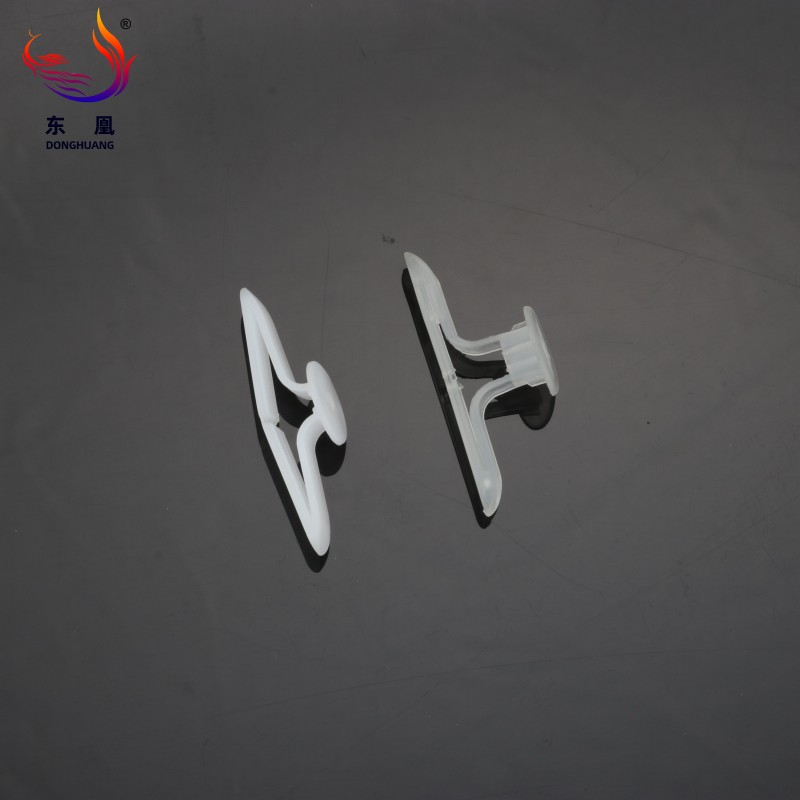
When tackling most household mounting tasks, the Nylon Anchor stands out as the premium choice. We constantly contrast its brilliant engineering against cheap plastic alternatives. Flat-pack furniture often includes smooth-ribbed plastic plugs. Those generic plugs strip easily and turn brittle over time. A high-quality threaded Nylon Anchor resists temperature variations effortlessly. It maintains superior structural integrity for decades without drying out.
Mechanical action explains this highly reliable performance. Deep, aggressive threads bite deeply into the soft gypsum core. They carve a precise, clean channel. This action distributes applied weight across a significantly wider surface area. You rarely need pre-drilling. The sharp tip pierces the wall paper cleanly. You simply push firmly and turn.
Ideal use cases cover the vast majority of medium-duty applications. We recommend them specifically for 15 to 40-pound shear loads. They provide the perfect balance between holding power and installation speed.
Installation guardrails matter greatly for long-term success. You must use a manual screwdriver for the final seating turns. Power drills easily over-torque the fastener. This mistake completely "spins out" the drywall core. Once the core strips, the fastener loses all holding power entirely. Hand tightening allows you to feel the exact moment it seats flush. This best practice prevents accidental wall damage.
Some projects demand absolute, uncompromising security. You must escalate to toggle bolts for extreme weights. Toggles operate on a completely different physical principle. They bypass the weak gypsum core entirely. Modern strap toggles clamp firmly against the back paper of the drywall. They effectively utilize the wall itself as a giant structural washer. This clamping action spreads heavy forces across a massive square inch area.
Identify these as the only acceptable hollow-wall solution for heavy mounts. You must use them for cantilevered loads. Articulating TV arms absolutely require toggles. Large floating shelves holding books demand them. Upper cabinetry needs them if you somehow miss a wall stud. Never trust standard expansion plugs for items exceeding 50 pounds.
However, significant implementation trade-offs exist. Toggles require a much larger drill bit. You often need a half-inch clearance hole. This damages insulation integrity behind the board. Furthermore, traditional metal toggle wings fall behind the wall upon screw removal. You lose the hardware permanently inside the dark cavity. Modern strap toggles solve this specific removal issue. They hold the metal channel securely in place even when you remove the machine screw.
A common mistake involves ignoring the cavity depth. Toggle wings need space to flip open. If your wall contains shallow furring strips, the wings will hit the concrete block. Always probe the hole depth using a piece of stiff wire first. Ensure you have at least two inches of hollow clearance.
Molly bolts offer a robust alternative for permanent installations. Steel expansion anchors splay out laterally behind the drywall. You tighten the internal machine screw, and the metal legs fold flat. They press hard against the unseen side of the board. This creates a permanent, steel-reinforced clamping zone.
Grip range compliance is strictly necessary here. You must match the unthreaded shank length precisely to your wall thickness. Standard residential walls use half-inch boards. Commercial spaces or fire-rated ceilings use five-eighths-inch boards. Mismatched sizes will fail to expand properly. Too short, and the legs will not clear the back paper. Too long, and the anchor remains loose. They might also crush the gypsum completely during compression.
Highlight their excellent hold for medium-heavy dynamic loads. Heavy coat racks benefit immensely from molly bolts. They offer one massive advantage. You can remove and reinsert the screw safely multiple times. This helps immensely when repainting rooms. Contrast this against the primary drawback. Removing the metal housing later proves incredibly difficult. You often must hammer the flange carefully below the surface. You then patch over the dent using joint compound.
Professionals highly recommend using a specialized setting tool. Using a screwdriver alone can cause the entire anchor to spin. A spinning anchor chews up the drywall instantly. The setting tool pulls the screw head straight back smoothly. This expands the legs perfectly without any rotational friction.
Every homeowner accumulates small, conical plastic ribbed anchors. We casually call these the "freebie" fasteners. They arrive tucked inside boxes for cheap wall clocks or basic thermostats. You must establish strict boundaries for their usage.
Performance reality dictates extreme caution. These tiny plugs rely solely on basic friction. They simply expand slightly when a screw enters them. They are highly prone to sudden pull-out failures. The plastic often shrinks in dry winter conditions. The friction degrades entirely. You cannot trust them for anything heavy, valuable, or dangerous.
Restrict recommendations for these to very specific, lightweight items. The load must weigh well under 10 pounds. It must be a purely static shear load.
A common mistake involves drilling an oversized hole. If you push the plug in easily using your thumb, the hole is too large. It will spin endlessly when you drive the screw. You should need to tap it lightly using a hammer. A snug fit remains absolutely critical for proper friction expansion.
Even perfect hardware fails due to poor installation techniques. You must actively anticipate common implementation risks. The unexpected stud collision ruins many weekend projects. You attempt to drive a hollow-wall anchor into a concealed wood stud. The fastener stops dead and strips out completely. The metal wings bend backwards. Always use a reliable magnetic stud finder first. Determine clearly if you need a standard wood screw instead of drywall hardware. Hitting a stud is actually a blessing, provided you use the right screw.
Over-torquing represents the most widespread user error today. People love using high-speed impact drivers on delicate drywall fasteners. Impact drivers pulverize the fragile gypsum core instantly. The screw acts like a drill bit. It ruins the holding power completely within seconds. Always finish tightening your fasteners carefully by hand. Stop turning the moment you feel firm resistance.
Moisture environment vulnerability requires special attention. Standard drywall loses significant structural integrity in highly humid spaces. Poorly ventilated bathrooms weaken the paper binding constantly. The board softens considerably over time. You must necessitate stronger fasteners here. Items like bathroom grab bars always require solid structural blocking behind the wall. Never trust bare drywall in wet zones, regardless of the fastener quality.
Another frequent issue involves reusing old holes. Drywall lacks memory. Once a fastener compresses the gypsum, it stays compressed. If an anchor pulls out, you cannot simply push a new one into the exact same hole. The integrity is completely gone. You must patch the hole properly and move the mount at least two inches away.
Weigh your options carefully before drilling into your walls. You must discard generic, smooth plastic plugs immediately. Default to a high-quality, deeply threaded Nylon Anchor for eighty percent of typical household tasks. They balance exceptional holding power with minimal wall damage. Escalate straight to strap toggles for anything exceptionally heavy or cantilevered. You should never compromise on heavy articulating mounts.
Your next steps require precise action. First, weigh your fixture accurately. Second, honestly assess whether people will pull on the load dynamically. Third, thoroughly scan your proposed wall location for hidden studs. Finally, purchase the specific tier of hardware required. Proper planning guarantees a secure, permanent hold every single time.
A: It is strongly advised against. However, if absolutely unavoidable, you must use multiple heavy-duty strap toggles rated for 200+ lbs each. Never use standard expansion anchors. You must strictly avoid full-motion or articulating mounts, as the cantilevered tensile force will eventually rip the drywall apart. Stick only to fixed, flush mounts.
A: The anchor itself can usually be backed out using a manual screwdriver. However, it leaves a noticeably large hole that must be patched carefully. You should generally never reuse the extracted anchor in a new location. The plastic threads suffer fatigue during the initial installation and lose their sharp biting edge.
A: The 1/2-inch board serves as the standard residential thickness. The 5/8-inch board is thicker, usually serving as fire-rated or ceiling drywall. While toggle bolts and hollow wall anchors must be sized precisely for wall thickness to clamp properly, most self-drilling nylon options remain versatile enough to handle both sizes perfectly.

