
Views: 0 Author: Site Editor Publish Time: 2026-06-30 Origin: Site
Hidden labor costs consistently drain commercial construction budgets. Structural risks multiply when contractors rely upon inefficient fastening methods. We see this problem frequently in electrical routing and complex HVAC installations. Workers struggle while balancing on ladders. They drop standard hardware in dark, confined spaces. Overhead structural frameworks quickly become frustrating, time-consuming puzzles. You need a more reliable method to secure structural components safely. The solution lies in choosing Spring Nuts. They serve as the industry-standard locking mechanism. Engineers designed them specifically for seamless integration into strut channel framing. Standardizing on high-quality spring nuts fundamentally transforms your daily workflow. It shifts installation from a rigid, highly labor-intensive process to a truly modular framework. Ultimately, you gain a highly adjustable, infinitely scalable, and structurally secure system.
Traditional structural fastening methods carry severe limitations. Installers frequently rely upon drilling and welding to secure overhead framing. These conventional approaches consume excessive man-hours. They also introduce serious safety hazards on active job sites. Workers must operate heavy power tools while elevated. Modifying structural steel generates dangerous sparks and hazardous metal dust. Standard nuts and bolts fail to solve these issues. They demand two hands for assembly. Workers routinely drop loose hardware. This slows down project momentum.
Rigid framing systems create massive financial drains when plans change. Late-stage project modifications happen frequently in commercial construction. Pipe routing paths clash. Electrical conduits require unexpected rerouting. A rigid, welded framework offers zero flexibility. Crews must completely disassemble the existing structure. They scrap the old materials. They start over from scratch. This inflexibility destroys project schedules and bloats material waste.
Modern installers require smarter, faster hardware solutions. We can define modern framing success criteria through three specific demands:
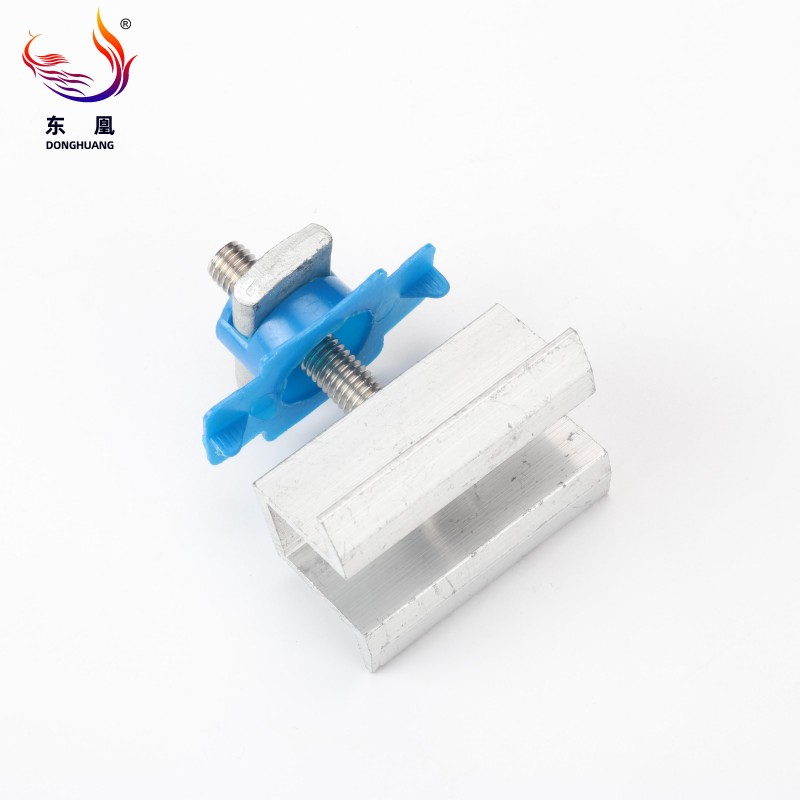
The attached coil spring acts precisely like a third hand. An installer inserts the nut into the channel opening. The spring compresses against the bottom of the track. It pushes the metal nut upward. This upward pressure holds the hardware securely against the inturned channel lips. The installer can now let go entirely. They safely use both hands to lift heavy pipes or align threaded rods.
This hands-free capability drives a direct reduction in manual labor hours. Overhead installations often require awkward body mechanics. Confined spaces restrict movement severely. Giving workers hardware they can position temporarily without tools saves critical minutes per connection. Multiplied across thousands of connection points, this modular approach slashes overall installation schedules.
Contractors bypass permanent channel modifications completely. You simply twist and insert the hardware directly into the continuous slot. The rectangular shape of the nut ensures smooth insertion parallel to the channel. Once inside, a simple 90-degree turn locks it horizontally. You never need a drill bit. You never need a welding torch.
Avoiding permanent modifications provides an essential secondary benefit. Strut channels usually feature protective coatings. Galvanization prevents rust and structural decay. Drilling holes destroys this protective zinc barrier. It exposes bare steel to atmospheric moisture. Twist-in insertion maintains the factory-applied coating perfectly. Your support structures last significantly longer.
Industrial frameworks must support massive weight securely. Engineers design Spring Nuts specifically to handle these extreme forces. Look closely at the hardware edges. You will notice deep, serrated grooves running along both sides. We call these serrations "teeth." They provide the fundamental locking mechanism.
Applying torque to the bolt pulls the nut upward. The hardened steel teeth bite forcefully into the inturned edges of the strut channel. This mechanical bite locks the hardware firmly in place. It physically prevents the fitting from sliding horizontally. This slip resistance proves critical during seismic events. Vibrations cannot loosen a properly seated, fully torqued connection.
Facilities constantly evolve. Manufacturing floors rearrange machinery. Server rooms add heavier cabling trays. A modular system accommodates these changes effortlessly. Workers easily loosen the bolt a few turns. They push the hardware down slightly to disengage the teeth. They slide the fitting to its new location.
They retighten the bolt perfectly. You reuse the exact same components. You generate zero material waste. This modular advantage allows systems to expand months or years later. Future-proofing your structural supports protects your initial infrastructure investment.
Using the correct hardware profile prevents catastrophic failure. Manufacturers produce strut channels in various depths. Your fastener must match this depth precisely. The spring must compress just enough to provide adequate holding pressure. It cannot be too long or too short.
| Spring Type | Compatible Channel Depth | Primary Application Scenario |
|---|---|---|
| Long Spring | 3-1/4" or 2-7/16" | Deep structural tracking requiring maximum threaded rod suspension. |
| Standard Spring | 1-5/8" | The most common commercial profile. Used in standard HVAC and electrical runs. |
| Short Spring | 13/16" or 1" | Shallow profiles utilized in tight ceiling voids and light-duty wall mounts. |
Different job site environments require varied approaches. Terminal user preferences often dictate the hardware style chosen. The electrician community provides valuable feedback regarding specialized profiles.
Top-spring nuts place a flexible plastic or metal retainer above the channel opening. Electricians prefer these when visual alignment is critical. The retainer rests visibly on the outside track. It prevents the hardware from slipping down into deep channels accidentally.
No-spring variants, often called cone nuts, serve entirely different scenarios. Workers use them when internal channel space remains highly restricted. Sometimes, installers pre-load the track with multiple cables. A traditional coil would interfere with those internal wires. Cone nuts slide in easily without tangling.
Corrosion destroys structural integrity. Matching the metal alloy to the environmental conditions ensures compliance and extends system lifecycles.
| Material / Coating | Environment | Lifecycle ROI & Performance |
|---|---|---|
| Electro-Galvanized (EG) | Indoor / Dry environments | Cost-effective. Excellent for climate-controlled server rooms and standard retail spaces. |
| Hot-Dip Galvanized (HDG) | Industrial / Outdoor exposure | Thicker zinc coating resists harsh chemicals and weather. Superior for outdoor pipe racks. |
| 316 Stainless Steel | Corrosive / Marine environments | Maximum upfront cost but infinite ROI in highly corrosive wastewater plants or coastal areas. |
Forcing incorrect hardware combinations guarantees failure. A long coil pushed into a shallow channel creates severe friction. The coil bottoms out against the back wall immediately. The nut cannot seat properly against the inturned lips. Installers mistakenly believe they have secured the fitting. In reality, the teeth never grip the metal edges. Always verify channel depth before grabbing your hardware bin.
Power tools encourage excessive tightening. Workers often pull the trigger until the impact driver stalls. This practice introduces dangerous structural deformation. Over-torquing strips the internal threads completely. It also forces the channel lips to flare outward permanently. This ruins the entire track segment. Always reference manufacturer-specified torque values. Use a calibrated torque wrench for final installation to guarantee safe load capacities.
Visual inspection prevents unexpected collapse. Installers must never tighten a bolt before confirming correct alignment. The hardware must fully rotate exactly 90 degrees inside the track. The long edges must sit perpendicular to the channel slot. The serrated grooves must lock perfectly into both channel lips. Tightening an angled or improperly seated nut damages the track and compromises shear strength.
Reliable structural frameworks require verified engineering data. Never purchase anonymous hardware lacking published specifications. You must evaluate suppliers based upon clear load data. High-quality manufacturers proudly publish pull-out strength figures. They document precise slip resistance metrics. This transparency ensures your installations meet stringent building codes. It protects your liability during structural inspections.
On-site delays obliterate profit margins. Poorly manufactured hardware causes these delays directly. Evaluate your supplier's manufacturing consistency rigorously. Look for uniform thread tapping. A jammed bolt wastes an electrician's time immediately. Test the coil temper. Weak coils fail to hold the hardware upright. Excessively stiff coils require too much finger pressure, causing hand fatigue. Consistent quality control keeps crews moving fast.
Large-scale commercial projects consume hardware rapidly. Your supplier must manage significant inventory levels. You need a partner capable of fulfilling bulk orders instantly. They must stock various profiles, sizes, and materials simultaneously. A delayed hardware shipment pauses the entire overhead installation phase. Partnering with a scalable supplier keeps massive construction schedules perfectly on track.
Do not guess when selecting structural components. We encourage buyers to request physical samples first. Test the engagement inside your specific strut channels. Consult a dedicated fastener specialist. They help you match the exact thread pitch, coil length, and alloy to your specific project demands. Precision purchasing prevents installation headaches later.
Although these components appear small, they deliver outsized returns across every project phase. They maximize labor efficiency by providing hands-free alignment. They improve worker safety by eliminating overhead drilling. They offer unparalleled project adaptability through their simple, modular design.
Upgrading to application-specific hardware remains a highly lucrative decision for any commercial strut framework. You eliminate rigid constraints. You empower your installation crews to work faster and safer.
Do not let outdated fastening methods slow your next build. Browse our comprehensive product catalog today. Download detailed technical data sheets to verify engineering specs. Request a custom quote to secure your necessary inventory immediately.
A: Generally, you should not reuse them in critical load-bearing applications. Torquing forces the serrated teeth to bite into the channel. This action slightly deforms the teeth. Reusing them lowers their slip resistance. Strict safety standards usually dictate using fresh hardware to prevent metal fatigue failures.
A: A strut nut is the broad category of hardware designed to fit inside strut channels. A Spring Nut is simply a specific type of strut nut. It features an attached retaining coil to hold itself in place temporarily.
A: You must match two specific measurements. First, match the internal thread diameter to your threaded rod or bolt. Second, match the coil length to your strut channel depth. Use a short coil for 13/16" channels, and a standard coil for 1-5/8" channels.
A: Yes, they provide excellent shear strength when properly torqued. They rely upon the serration bite to resist slipping. However, for extremely heavy vertical loads, engineers often recommend adding secondary support fittings or specifying thicker 12-gauge strut channels.

